The Brothers Behind the Bottle: Family Dynasties That Built Jalisco's Tequila Legacy
The labels on your favorite tequila bottles rarely tell the full story. Behind the polished branding and export distribution deals are real families — brothers, fathers, daughters, and grandchildren — who have spent generations wrestling blue agave from volcanic soil and turning it into something extraordinary. We went looking for those stories, and what we found was the beating heart of Jalisco.
Here at Tequila Hermanos, the word hermanos — brothers — isn't just a name. It's a philosophy. It reflects the way this entire region operates: through kinship, shared labor, and a stubborn commitment to doing things the right way even when the easier path is sitting right there. The family-owned distilleries scattered across Jalisco embody that ethos better than any brand campaign ever could.
Why Family Ownership Changes Everything
When a corporation acquires a tequila brand — and it happens constantly, as global spirits conglomerates snap up beloved Mexican labels — the calculus shifts almost immediately. Production volumes climb. Aging timelines get compressed. The agave sourcing that once came from a family's own fields gets supplemented with outside supply. None of this is villainous; it's just business math.
Family operations work from a different set of priorities. The patriarch who planted those agave fields knew the plants wouldn't be harvestable for seven to ten years. He planted them anyway — for his kids. That kind of long-game thinking is baked into the DNA of Jalisco's independent producers, and you can taste it.
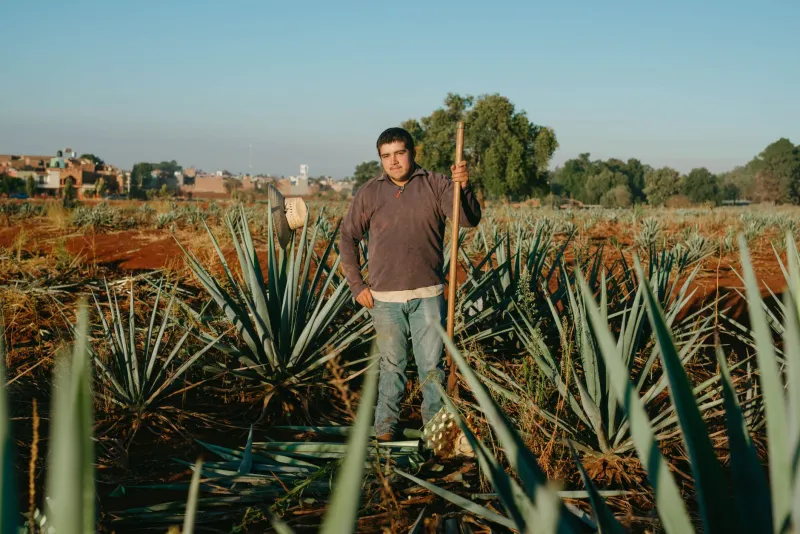
The jimadores — the skilled field workers who harvest agave by hand using a specialized circular blade called a coa — often come from the same families as the distillery owners. Knowledge about which plants are ready, how to read the sugar content by the color and texture of the leaves, when to harvest and when to wait: that expertise passes from father to son, mother to daughter, across decades. It can't be downloaded or outsourced.
The Weight of the Name on the Label
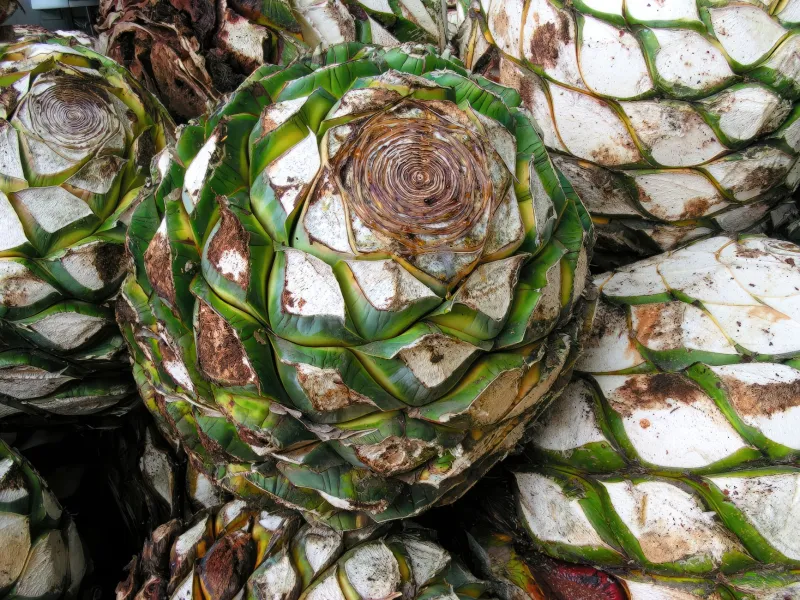
Walk through the highland town of Arandas on a weekday morning and you'll see pickup trucks loaded with harvested agave piñas rolling toward small distillery gates marked with family surnames. These aren't tourist attractions — they're working operations where the owner is likely somewhere on the premises, tasting from a fermentation tank or arguing with a delivery driver about barrel quality.
We sat down with a third-generation distiller whose grandfather founded their operation in the mid-20th century with a single still and a field of agave he'd been tending since before he was married. His father expanded the aging cellar. He and his brother took over in their thirties and spent the next decade rebuilding the brand's reputation after a rough patch in the '90s when cheap production shortcuts nearly sank the whole thing.
"My grandfather would have shut us down himself if he'd seen what we were doing," he told us, laughing but clearly not joking. "We went back to his original recipe. Hornos. Longer fermentation. No additives. It cost us two years of losses, but we're still here."
That kind of accountability — to a grandfather's memory, to a family name on a bottle — is a powerful quality control mechanism that no corporate compliance department can replicate.
Brothers in Arms (and Agave)
The hermanos dynamic shows up in fascinating ways across Jalisco. Some of the most compelling brand stories involve literal brothers who split operations, with one managing the fields and one running the distillery, or one focused on the domestic Mexican market while the other handles US export relationships.
In one well-known case in the Tequila Valley, two brothers inherited a distillery together and spent years making the same product under the same roof. Eventually their different visions for the brand's direction led them to formally divide the operation — each taking specific equipment, specific barrel stocks, and specific agave fields. Today they run separate labels from adjacent properties, occasionally sharing equipment during harvest season, and their products taste noticeably different despite sharing the same origin story.
That divergence is a feature, not a bug, of family-driven production. Personal taste, personal philosophy, and personal pride all leave fingerprints on the final product in ways that large-scale standardized production simply cannot accommodate.
What the Next Generation Is Doing
Across Jalisco, the children and grandchildren of founding distillers are navigating a genuinely complex moment. The global appetite for premium tequila — driven in large part by the American market's shift toward quality over quantity — has created real opportunities for small family producers who previously sold only locally or to regional distributors.
But growth brings pressure. How do you scale production without compromising what made you worth scaling in the first place? How do you market to American consumers who want authenticity but also want convenient online ordering and glossy packaging? How do you honor your grandfather's methods while also staying competitive with brands that have eight-figure marketing budgets?
The answers vary by family. Some have brought in outside investors while retaining majority control and production oversight. Others have deliberately stayed small, building cult followings among US importers who specialize in artisanal Mexican spirits. A few have leaned into agritourism, opening their distilleries and fields to visitors — which is exactly the kind of experience we've built Tequila Hermanos around facilitating.
Drinking with Intention
Next time you pour yourself a glass of a family-owned Jalisco tequila, take a second to look at the label. Many of them carry surnames that have been on bottles for fifty, seventy, a hundred years. Some carry the faces of founders in sepia-toned portraits. Others use imagery drawn directly from the family's home region — a specific mountain, a local saint, a tool from the field.
These aren't just design choices. They're declarations of origin and identity. They're a family saying: we made this, our name is on it, and we stand behind every drop.
That's the spirit of hermanos. And it's the spirit we raise a glass to every single day.