Sip Slow, Taste Deep: What America Gets Wrong About Drinking Tequila
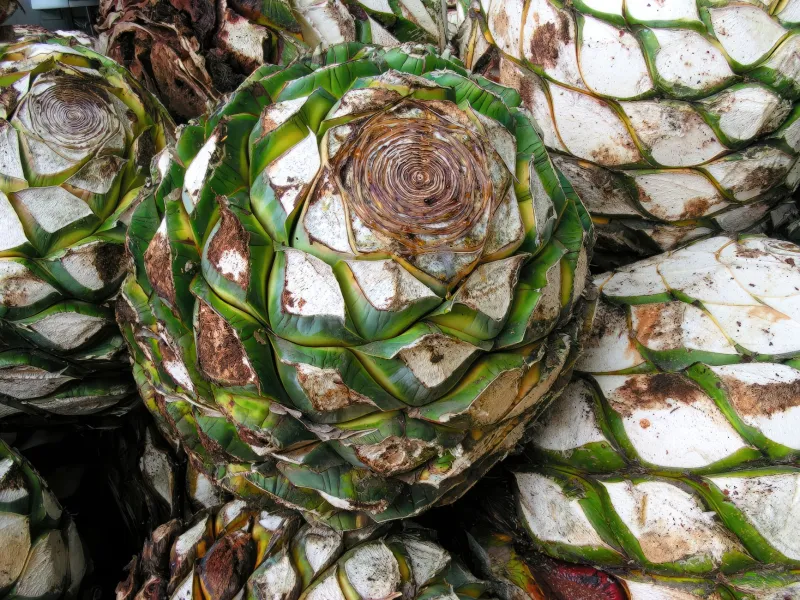
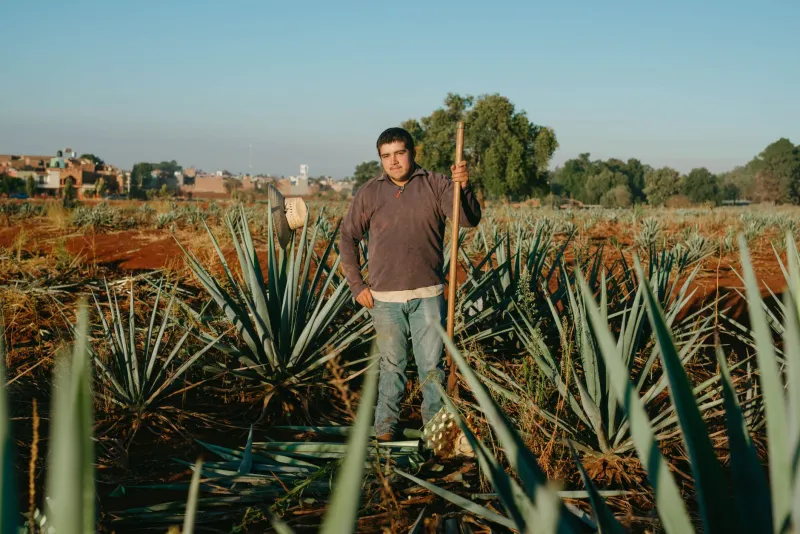
Most Americans have been introduced to tequila through a lime wedge and a shaker of salt — and honestly, that's fine for a Friday night. But if you've ever stood inside a Jalisco distillery and watched a jimador split a blue agave piña with one clean strike, you start to understand that this spirit deserves a whole lot more respect. Here's how to actually taste tequila the way it was meant to be experienced.
Down here in the town of Tequila, Jalisco — the place that literally gave the spirit its name — we see visitors arrive every week expecting shots and sombreros. What they leave with is something different: a genuine appreciation for one of Mexico's most complex and storied distilled beverages. We've had the privilege of sitting alongside master distillers at some of the oldest operations in the region, and we want to bring that experience to you, whether you're planning a trip or just curious about what's actually in your glass.
First Things First: Forget Everything the Bar Taught You
The salt-and-lime ritual has its place in history — it was originally used to mask the rough edges of lower-quality spirits. But when you're drinking a well-crafted blanco or a silky añejo, adding lime is like putting ketchup on a fine steak. The citrus drowns out the very flavors that took years — sometimes decades — to develop.
Instead, try approaching tequila the way whiskey lovers approach a single malt. Pour a small amount into a narrow-mouthed glass (a Riedel tequila glass or even a white wine glass works beautifully). Let it sit for a minute. Then nose it before you ever take a sip.
The Four Categories You Actually Need to Know
Before you can taste intelligently, you need to understand what's in the bottle. Tequila is classified by how long it's been aged, and each category produces a genuinely different drinking experience.
Blanco (or Silver): Unaged or rested for fewer than 60 days in stainless steel. This is the purest expression of the agave plant — bright, vegetal, sometimes citrusy or peppery. It's what the agave actually tastes like before oak gets involved. Don't sleep on blancos; they're the truest test of a distillery's craft.
Reposado: Rested between two months and one year in oak barrels. This is where things get interesting. You start picking up vanilla, caramel, and light wood notes layered over that agave backbone. Reposados are incredibly versatile and tend to be crowd-pleasers for newcomers.
Añejo: Aged one to three years. Darker in color, richer in texture. Think dried fruit, toasted oak, chocolate, sometimes a hint of leather. These are sipping spirits, full stop.
Extra Añejo: The newest official category, aged more than three years. These are the tequilas that make whiskey drinkers do a double-take. Complex, slow, and deeply layered — some of the finest extra añejos we've tasted at distilleries along the Tequila route rival high-end cognacs in their depth.
How to Actually Taste: A Step-by-Step Walkthrough
Here's the approach we use when we guide guests through a tasting at Tequila Hermanos. You can replicate this at home with any quality 100% agave bottle.
Look: Hold your glass up to natural light. Color tells a story. A pale golden reposado may have seen lighter barrels or a shorter rest. A deep amber añejo has been sitting with oak for a while. Cloudiness can indicate an unfiltered product — not a flaw, often a feature.
Nose (gently): Don't jam your nose into the glass the way you might with a red wine. Tequila is higher in alcohol, so ease in from a few inches away. Swirl slowly. Let the aromas open up. On a quality blanco, you might catch cooked agave, citrus zest, white pepper, or fresh herbs. On an añejo, look for vanilla bean, caramel, dried apricot, cinnamon.
Taste in stages: Take a small sip and let it coat your tongue before swallowing. Notice what hits first (usually the agave or alcohol), what develops in the middle (sweetness, fruit, spice), and what the finish feels like. A long, warming finish that evolves for 30 seconds or more is the hallmark of a well-made spirit.
Add a drop of water: Seriously. A single drop of still water can open up an aged tequila the same way it does with Scotch. It lowers the alcohol just enough to let aromatic compounds bloom.
What the Distilleries Are Actually Doing
The oldest distilleries in Jalisco — many of them operating for well over a century — are not just manufacturing facilities. They're living museums of technique. Some still roast their agave hearts in traditional underground stone ovens called hornos, which produces a deeper, earthier flavor than the faster steam-autoclave method used by larger commercial producers.
Water source matters enormously. The volcanic soil of the Tequila Valley and the highlands around Arandas produces blue agave with meaningfully different sugar profiles, and the water drawn from underground springs or rivers carries minerals that influence fermentation. These aren't marketing talking points — you can taste the difference when you sit with a distiller who walks you through two expressions side by side.
Fermentation vessels also shape the final product. Wild fermentation in open wooden vats introduces ambient yeasts from the surrounding environment, creating a more complex, sometimes funky character. Controlled fermentation with commercial yeasts produces a cleaner, more consistent result. Neither is objectively better — they're just different philosophies.
Bringing It Back Home
You don't have to book a flight to Jalisco to start tasting tequila properly (though we'd love to have you here). Start by picking up a 100% agave blanco from a well-regarded Jalisco producer — look for the NOM number on the label, which identifies the specific distillery. Compare it side by side with a reposado from the same brand. Take notes. Notice what changes when oak enters the picture.
At Tequila Hermanos, we believe the spirit in your glass carries a story that started in a field of spiky blue plants under the Mexican sun, passed through the hands of farmers and distillers who've spent their lives mastering this craft, and traveled thousands of miles to reach you. The least we can do is slow down and actually taste it.
Pull up a chair. Pour something worth savoring. And this time, skip the salt.