What to Eat With Your Tequila: A Jalisco Food Pairing Guide You'll Actually Use
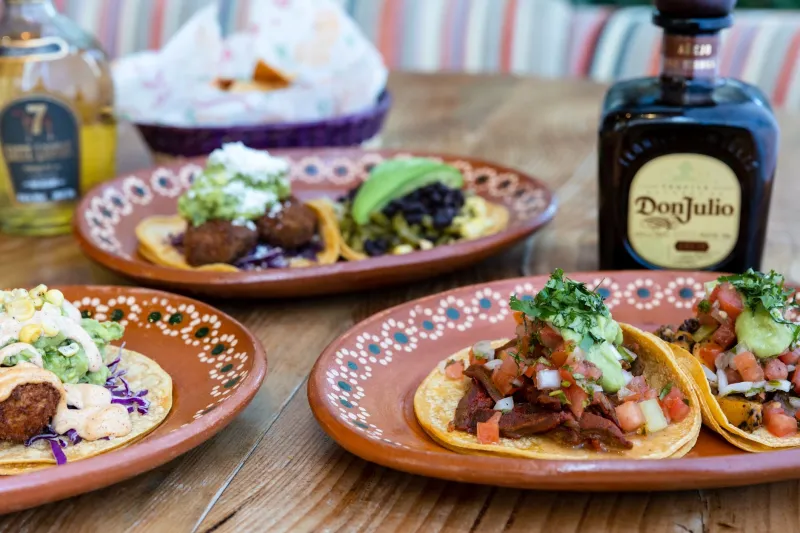
Tequila and tacos sounds like a party slogan, but in Jalisco it's practically a lifestyle. The region that invented the spirit also happens to produce some of Mexico's most distinct and deeply satisfying cuisine — and the two were made to be enjoyed together. Whether you're planning a trip down to the source or just hosting a Mexican-themed dinner back home, this guide will help you match the right glass to the right plate — and understand why it works.
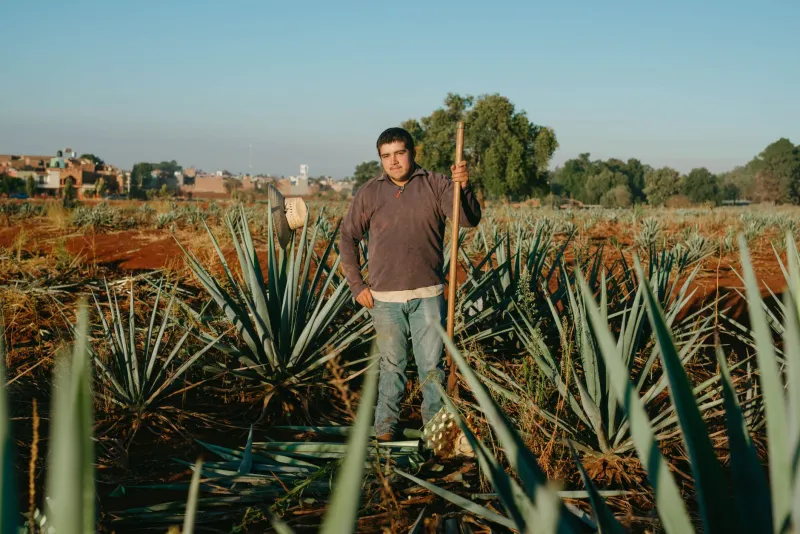
At Tequila Hermanos, food and spirits aren't separate menus. They're one conversation. The dishes that have evolved alongside tequila production in Jalisco aren't an accident — they developed in the same volcanic landscape, seasoned by the same agricultural traditions, and served at the same tables for generations. That context matters when you're building a pairing.
The Logic Behind the Pairing
Before we get into specifics, here's the basic principle: tequila's flavor profile shifts dramatically by category, and your food pairing should respond to that shift rather than fight it.
Blanco tequilas are bright, herbal, and often peppery — they need food with enough boldness to hold their own, or dishes where that vegetal brightness can act as a kind of counterpoint to richness.
Reposados have picked up vanilla and oak notes that make them more approachable and food-friendly across a wider range of dishes — they're the Pinot Noir of the tequila world in that sense.
Añejos and extra añejos are complex, warming, and deeply savory — pair them with food that has similar depth, or use them as a digestif alongside something sweet.
With that in mind, let's eat.
Birria + Blanco: The Classic That Makes Sense
Birria is Jalisco's most famous export after tequila itself, and it's finally getting the recognition it deserves in the US — you've seen the birria taco trucks, the quesabirria trend, the dipping consommé going viral on social media. But the version you get in Guadalajara or in the small towns surrounding the Tequila volcano is a different experience entirely.
Traditional Jalisco birria is made with goat (though beef is common now), slow-braised with dried chiles — guajillo, ancho, chile de árbol — and a blend of spices that can include cloves, cumin, and cinnamon. The result is intensely savory, a little smoky, and deeply aromatic.
Pair it with a quality blanco tequila. The spirit's raw agave character and white pepper notes cut through the richness of the braised meat and hold their own against the chile complexity. A reposado gets a little lost here — the oak sweetness can clash with the earthy spice profile. Blanco is the move.
Try it at home: Make a slow-cooker birria with guajillo and ancho chiles, beef chuck, and a cinnamon stick. Serve with a 100% agave blanco on the side, sipped between bites. Skip the lime in your glass — the consommé has enough acidity.
Pozole Rojo + Reposado: Comfort Meets Complexity
Pozole is Mexico's great comfort food — a hearty hominy soup that comes in red, white, and green versions depending on the region and the cook. Jalisco's version leans red, built on a base of dried red chiles and pork, topped with shredded cabbage, radishes, dried oregano, and a squeeze of lime.
It's warming, a little smoky, and has a beautiful earthy sweetness from the hominy that makes it an ideal partner for a reposado. The oak-influenced vanilla notes in a well-made reposado echo the natural sweetness of the corn, while the spirit's residual agave brightness plays nicely against the chile heat.
This is the pairing we serve on cool evenings at Tequila Hermanos, and guests consistently call it one of those combinations that just makes sense once you try it.
Try it at home: Simmer dried guajillo and ancho chiles into a rich base with pork shoulder and canned hominy. Serve with all the traditional garnishes. Pour a reposado from a Jalisco highland producer — the slightly higher-altitude agave tends to have a more pronounced sweetness that complements the soup beautifully.
Carne en su Jugo + Añejo: A Pairing for the Patient
If you've never heard of carne en su jugo, you're not alone — it rarely makes it onto Mexican restaurant menus in the US, which is a genuine shame. It's a Guadalajara specialty: thin strips of beef simmered in their own juices with tomatillos, bacon, garlic, and beans, finished with fresh cilantro and green onion. It's lighter than birria, more acidic, and intensely savory in a way that builds slowly.
This is where you open the añejo. The aged tequila's dried-fruit notes and toasted oak character add a layer of complexity that mirrors the depth of the braised beef. The tomatillo's natural acidity actually makes the añejo taste rounder and sweeter — a classic contrast pairing where the food and the spirit make each other better.
Try it at home: The key is thin-sliced beef (carne asada cut works well) and a proper tomatillo base. Let it simmer low and slow. Serve with warm tortillas on the side and pour your añejo neat, no ice. Take a sip after each few bites and notice how the flavors evolve together.
Jericalla + Extra Añejo: End on a High Note
Jericalla is Guadalajara's answer to crème brûlée — a baked egg custard flavored with cinnamon and vanilla, with a lightly scorched top that forms naturally in the oven rather than from a torch. It's simpler than its French cousin, and somehow more satisfying for it.
An extra añejo alongside jericalla is genuinely one of the finest ways to end a meal we know of. The spirit's deep caramel, dried fig, and warm spice notes are almost dessert-like on their own — paired with the custard's vanilla and cinnamon, they create a harmony that feels almost inevitable. This is not a shot. This is a slow, quiet pour in a small glass, sipped in the last light of the evening.
Try it at home: Jericalla recipes are simple and widely available online — the key ingredients are egg yolks, whole milk, sugar, cinnamon sticks, and vanilla. Bake in individual ramekins until the tops just begin to color. Serve with a small pour of your best extra añejo. No rush.
The Big Picture
Jalisco's food and spirits culture developed together over centuries, shaped by the same land, the same people, and the same sense of hospitality that drives everything we do at Tequila Hermanos. When you eat and drink with that history in mind — even from your own kitchen in Chicago or Austin or Portland — you're participating in something that goes well beyond a meal.
You're tasting a place. And that's worth savoring.