Why We Named This Place 'Hermanos': The Story Behind the Table We Built for Everyone
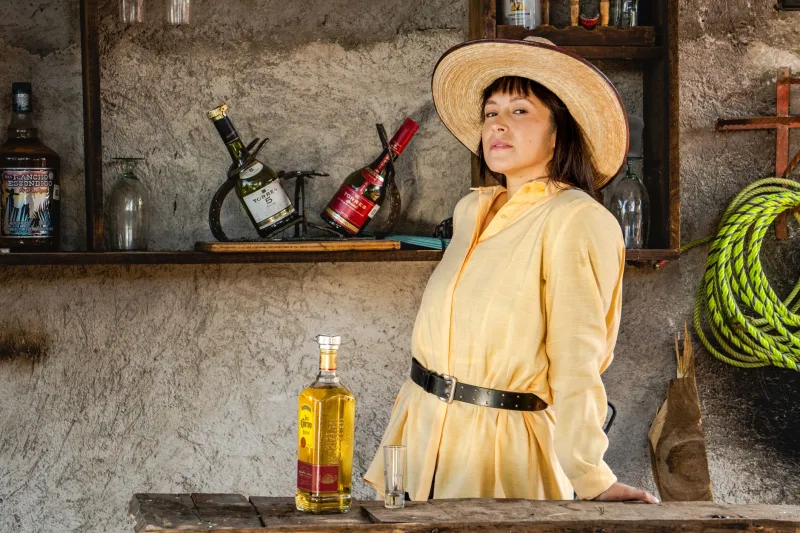
The word hermanos means brothers. But spend enough time in Tequila, Mexico—the actual town, not the idea of it—and you start to understand that the word carries more weight than a simple family designation. Brotherhood here is a philosophy. It's the reason a distiller shares his best barrel with a neighbor. It's why a cantina owner keeps a stool open for a stranger who looks like they need one.
Tequila Hermanos was built on that word, and on everything it implies.
Two Brothers, One Uncomfortable Question
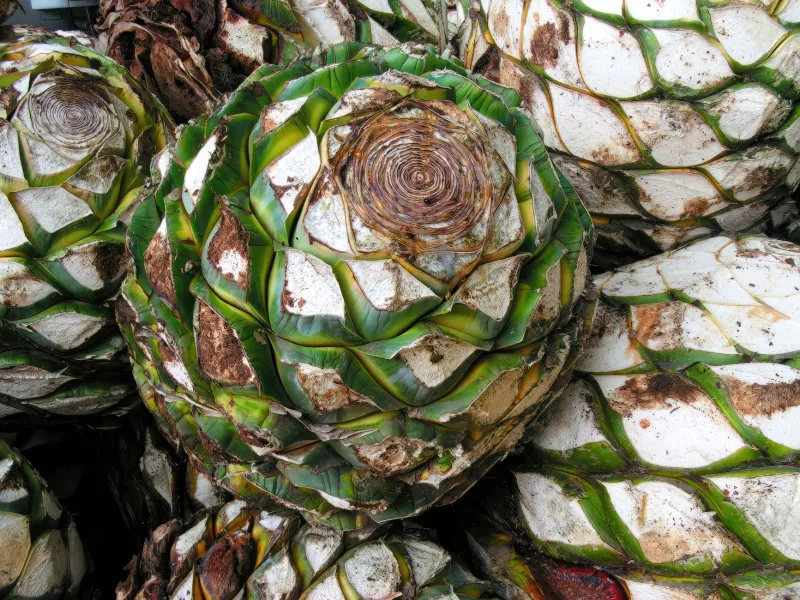
Grow up in Jalisco and you absorb the culture of agave the way you absorb language—gradually, unconsciously, until one day you realize it's part of how you think. Miguel and Carlos didn't set out to open a restaurant and bar. They set out to answer a question that had been bothering them for years.
Why did the tequila that left Jalisco arrive in America as something unrecognizable?
Miguel had spent time in the United States—working in hospitality in Chicago, watching American bar culture up close, listening to what people said about tequila when they ordered it. What he heard ranged from dismissive to actively hostile. Cheap. Harsh. The thing you drink before you do something you'll regret. He'd stand behind the bar and think about his grandfather's distillery back home, the care that went into every bottle, and feel something between frustration and grief.
Carlos, the younger brother, had stayed in Jalisco. He watched the tour buses roll through town, watched visitors snap photos of the agave fields and buy souvenir bottles at airport prices, and noticed that almost none of them were actually connecting with the place. They were consuming an image of Jalisco, not Jalisco itself.
"We used to talk about it on the phone," Miguel says, leaning back in his chair in the spot he now calls home—the main room of Tequila Hermanos, surrounded by the low hum of a lunch crowd. "Carlos would say, 'The tourists are here but they're not really here.' And I would say, 'The tequila is in America but it's not really in America.' Same problem from two different angles."
The Meal That Started Everything
The idea crystallized over a meal. That feels right, somehow—in Jalisco, most important things happen at a table.
Miguel had come home for a family gathering, and the two brothers ended up sitting outside long after everyone else had gone to bed, working through a bottle of blanco that their uncle had made in small batches for family use only. They were eating birria—the slow-braised goat stew that is Jalisco's culinary heartbeat—and talking about what it would take to give an American visitor a genuine experience of this place. Not a curated, sanitized, tourism-board version. The real thing.
The food mattered as much as the drink. That was one of their core realizations. American tequila culture had completely severed the spirit from its culinary context. Tequila in the US lived in cocktail bars, in frozen drinks, in college party stories. It had been extracted from the kitchen, from the table, from the whole ecosystem of Jalisco food culture that gave it meaning.
"You can't understand this spirit without understanding the food," Carlos says. "They grew up together. The flavors in a good blanco are meant to be in conversation with what's on your plate. When you separate them, you lose half the story."
Building the Bridge
They didn't move fast. That was intentional. Both brothers were suspicious of the kind of place that opens with a lot of fanfare and no soul—the Instagram-ready establishment that performs authenticity without actually having any.
They spent two years talking to people before they poured a single foundation. Distillers who'd watched their products get misrepresented abroad. Cooks who carried recipes passed down through three generations. Older residents of Tequila who remembered when the town was quieter, less photographed, more itself. American travelers who'd come looking for something real and weren't quite sure where to find it.
What emerged from those conversations was less a business concept and more a set of values. Hospitality without condescension. Education without lecturing. Quality without pretension. A place where a local family could celebrate a birthday at the next table from a couple of tourists from Denver, and both groups would feel equally at home.
"The word hermanos kept coming back," Miguel says. "Because brotherhood isn't about being the same. It's about choosing to share something. Our grandfather used to say that the best thing about a bottle of tequila is that it's made to be opened with someone else."
What Hermanos Actually Means in Practice
Walk into Tequila Hermanos today and you'll notice a few things that feel different from the typical Jalisco tourist spot.
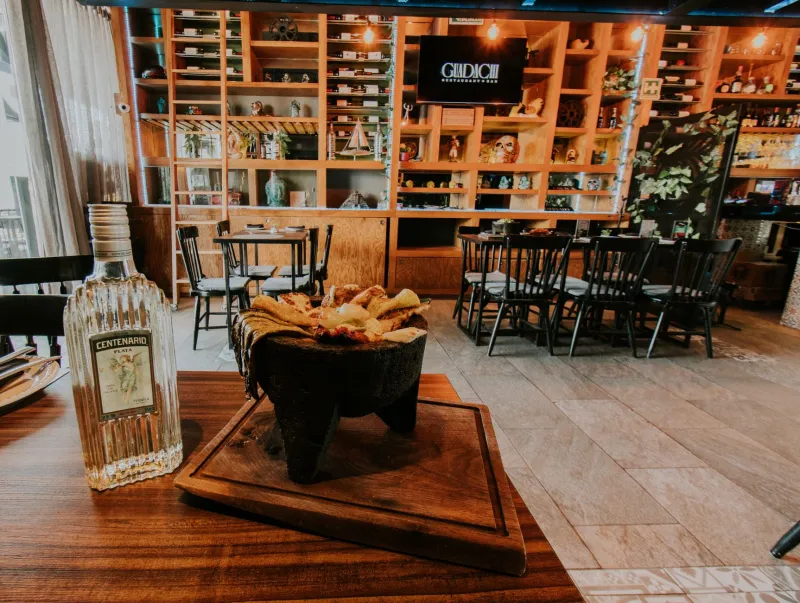
The menu is written in Spanish with English descriptions that actually explain the dishes rather than just translating the names. The spirits list is organized by production method and region, not by brand recognition. The staff can walk you through the difference between highland and lowland agave, between a tahona-crushed tequila and a roller-mill expression, without making you feel like you're sitting through a lecture.
And there's always something happening at the bar that feels less like performance and more like conversation.
"We wanted Americans to feel curious, not intimidated," Carlos explains. "There's a version of this place that could be very exclusive and serious, where you feel like you don't know enough to be here. We explicitly didn't want that. Curiosity is enough. If you're curious, you're welcome."
That philosophy has attracted a crowd that neither brother fully predicted: not just American tourists, but Mexican visitors from Mexico City and Guadalajara who'd grown up taking Jalisco for granted and wanted to rediscover it. Food writers. Bartenders from New York and Los Angeles doing research trips. Distillery workers who come in on their days off because the birria is good and the pours are honest.
The Metaphor That Became a Mission
Hermanos is still, at its core, about two brothers who couldn't stop asking an uncomfortable question. But the word has expanded to contain more than they originally put into it.
It's about the brotherhood between a distiller and the land that grows his agave. Between a cook and the recipe her grandmother wrote down in a notebook that's now held together with rubber bands. Between a traveler who arrives not knowing much and a place that's willing to meet them where they are.
Mexico and the United States share a border and a complicated history. They share a love of good food and strong drink. They share more than either side sometimes wants to admit.
The table at Tequila Hermanos is long enough for all of it. Pull up a chair.