Sworn to Silence: The Unwritten Rules Keeping Jalisco's Tequila Secrets Safe
When you walk into a distillery in the highlands of Jalisco, you'll notice something pretty quickly. The tour guide is warm, generous with samples, and genuinely happy to talk your ear off about agave cultivation and barrel aging. But ask a specific question — something like why does your reposado taste so different from the one down the road? — and you'll get a smile, a shrug, and a pour of something excellent to distract you.
That's not evasion. That's the Hermanos Code in action.
There's no actual document by that name, no formal guild rule or regulatory framework that governs what tequila families share and what they keep to themselves. It's something older and more durable than that. It's culture.
What the NDA Can't Do That a Family Can
In American business culture, protecting proprietary information usually means lawyers, non-disclosure agreements, and non-compete clauses. Out here in Jalisco, none of that applies — and yet the secrets hold, sometimes for a century or more.
The reason is simple: the people who know the secrets are family. Not just immediate family either. Extended networks of cousins, in-laws, godparents, and lifelong employees who have been folded into the family structure over decades. In a region where your neighbor might also be your competitor, your cousin's employer, and your kid's godfather all at once, betraying a production secret isn't just bad business. It's a social catastrophe with consequences that ripple out far beyond any single distillery.
That kind of accountability doesn't need paperwork. It runs on something much harder to break.
The Details That Never Make the Tour
So what exactly are these families protecting? Depending on who you ask — and how well they trust you — the answers vary. But there are a few categories of knowledge that consistently stay off the record.
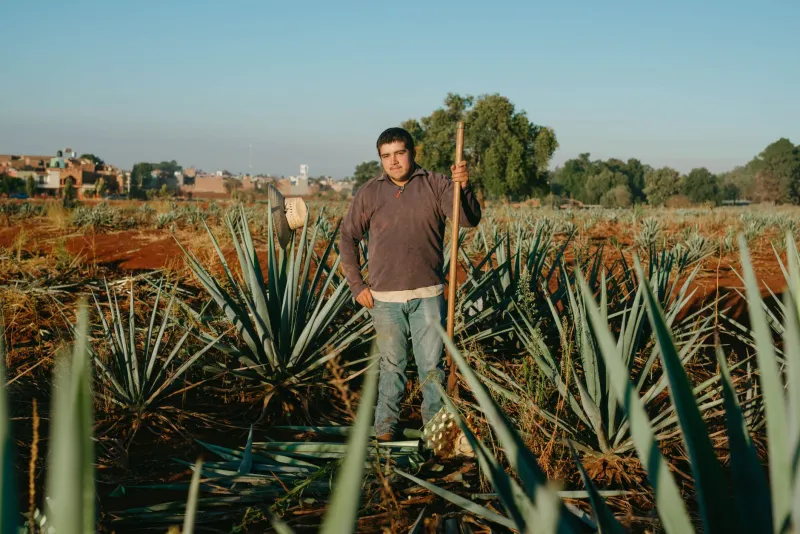
Fermentation timing and wild yeast. Most serious producers will tell you they use natural, ambient yeast for fermentation rather than commercial strains. What they won't tell you is the specific timing windows their families have developed over generations — when to let the mash run, when to intervene, what temperature signals mean it's time to move. These judgment calls, accumulated over decades of trial and error, create flavor profiles that simply can't be reverse-engineered by tasting the final product.
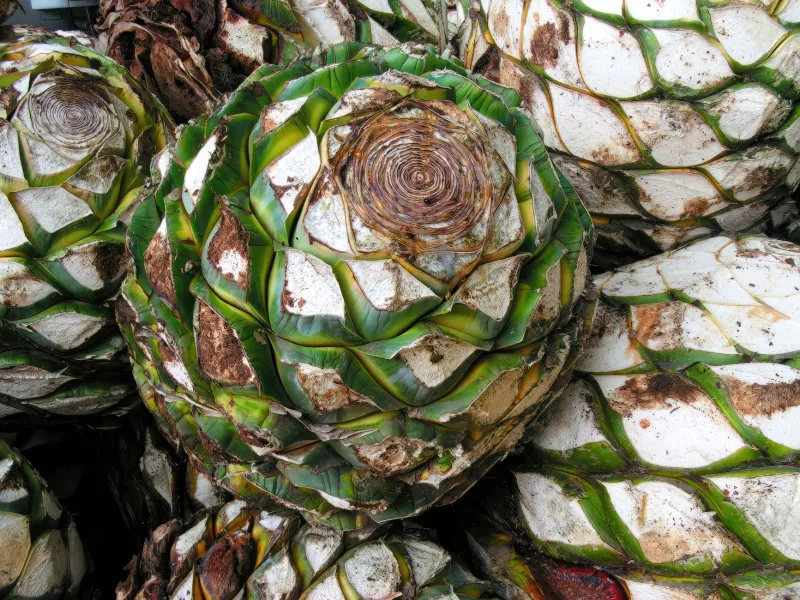
Cooking variations. Every distillery uses either a brick oven (horno) or an autoclave to cook the agave hearts. But the variables within those methods — heat curves, resting periods, how the piñas are stacked — can produce dramatically different sugar profiles. Families guard these specifics closely because they represent hundreds of failed batches and hard-won adjustments.
Water sourcing. Jalisco's volcanic soil means water chemistry varies significantly from one property to the next. Some families have identified specific wells or springs on their land whose mineral content contributes something irreplaceable to their final spirit. They'll tell you water matters. They won't always tell you exactly which water, or why.
Blending ratios. Even within a single expression, producers often blend distillate from different batches, different cooking methods, or different parts of the harvest. The logic behind those blends — how much of what, and why — is usually filed away in someone's head, not a spreadsheet.
Why American Visitors Rarely Get the Real Story
If you've done a distillery tour in Jalisco, you probably came away feeling like you got behind the scenes. And in a lot of ways, you did. These are genuinely open, hospitable places that take real pride in showing off their process.
But there's a difference between transparency and full disclosure, and it's a distinction Jalisco producers navigate with impressive grace.
Part of it is audience. American tourists, for all their enthusiasm, are mostly passing through. They're not going to take what they learn back to a competing distillery. So the risk of sharing is low. What you get on a tour is real information — just not all the information.
The other part is that some of this knowledge is genuinely hard to articulate. A master distiller who learned fermentation timing by watching his grandmother work isn't withholding a formula. He's describing something he knows in his hands and his nose, not in words. When he says "you just know when it's ready," he's not being cagey. He's telling you the truth.
The Trust Economy That Makes It All Work
Here's what's fascinating about the Hermanos Code from an outside perspective: it functions as a genuinely effective system of intellectual property protection without any of the infrastructure Americans typically associate with that concept.
Producers in Jalisco's tequila communities have been neighbors for generations. They compete fiercely for shelf space and export contracts. They also show up to each other's quinceañeras, share equipment during breakdowns, and occasionally collaborate on charitable projects in their towns. The relationship is complicated in the way that only long-term, high-stakes community relationships can be.
Within that web of connection, certain norms have calcified into something close to law. You don't poach another family's master distiller. You don't ask too many pointed questions about someone else's process. And if someone shares something with you in confidence — maybe a technique they're experimenting with, or a problem they're trying to solve — you don't take that information somewhere else.
Violating these norms doesn't get you sued. It gets you quietly excluded. And in a community this tight, exclusion is a far more effective deterrent than litigation.
What This Means for the Bottle in Your Hand
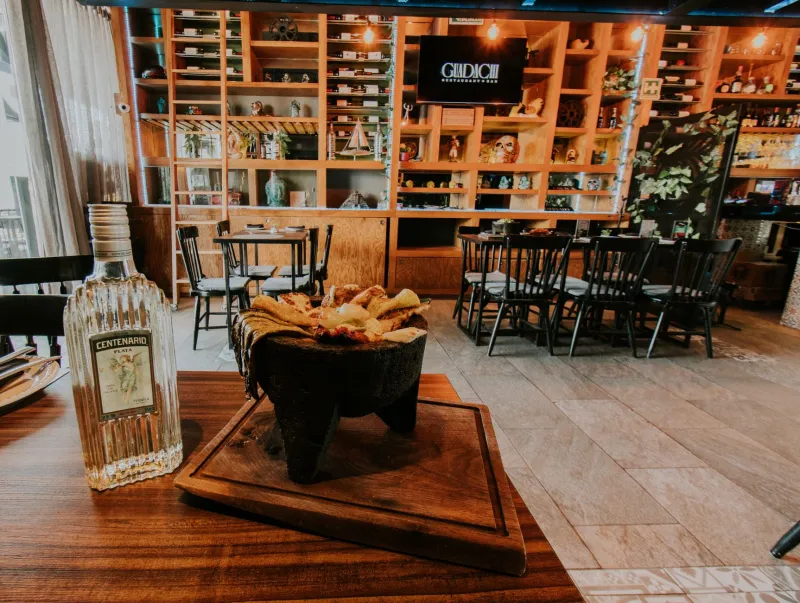
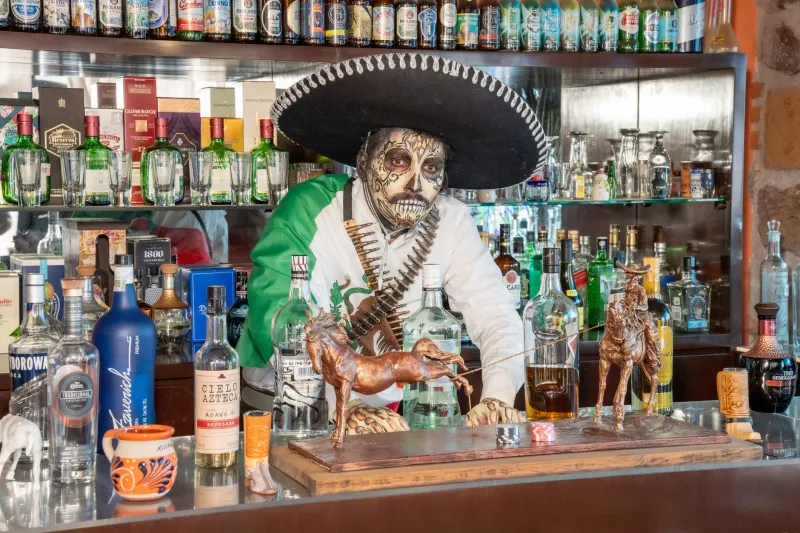
Next time you're sitting at the bar here at Tequila Hermanos, turning a glass of aged tequila in the light and trying to figure out what makes it taste the way it does, know this: some of what's in that glass is the product of knowledge that has never been written down anywhere.
The particular way the agave was cooked. The specific fermentation window that was allowed to run. The water that carried minerals from a particular corner of the volcanic highlands into the still. These aren't marketing abstractions. They're the result of generations of people learning something difficult and deciding, quietly, to keep it in the family.
You can taste the craft. The full story, though? That stays in Jalisco.