Salt, Lime, and a Century of Lies: How Prohibition Poisoned America's Relationship With Tequila
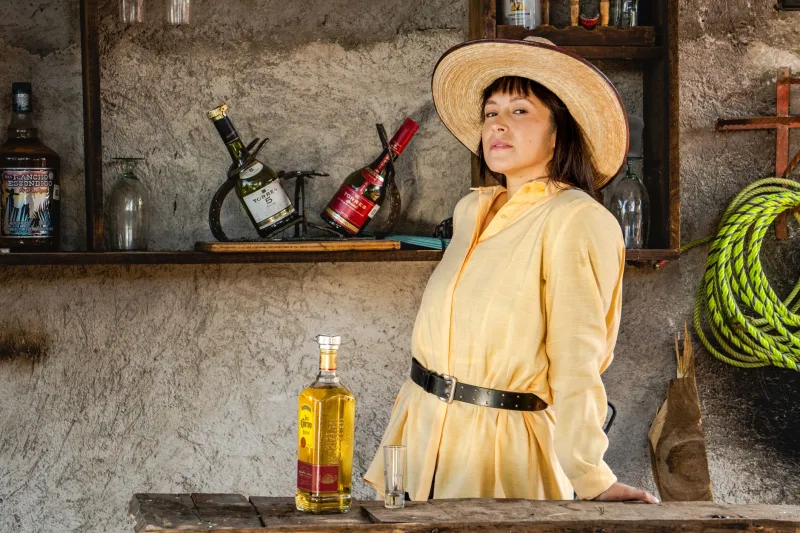
There's a ritual burned into American party culture that would make any Jalisco distiller wince: the three-count shot. Lick the salt. Throw back the tequila. Suck the lime. Do it fast. Don't taste it. Just survive it.
Where did that come from? Not Mexico. Not Jalisco. Not from anyone who actually knew what they were drinking.
It came, in large part, from Prohibition—and the century of cultural baggage that followed.
The Border Was Open When Everything Else Was Closed
When the 18th Amendment went into effect in January 1920, American drinkers didn't stop drinking. They got creative. Speakeasies sprouted in basements from Chicago to Charleston. Bootleggers built empires. And along the southern border, a new supply chain emerged: tequila, smuggled in bulk from Mexico at rock-bottom prices.
Here's the problem. The tequila crossing that border wasn't the good stuff. Legitimate distillers in Jalisco weren't exactly eager to hand their finest bottles to smugglers who'd stuff them into car door panels. What made it north was cheap, often mislabeled, sometimes adulterated—mixed with industrial alcohol, artificial coloring, or worse.
"People were drinking something they called tequila that had almost nothing to do with what we make here," says Rodrigo Fuentes, a third-generation distiller whose family has operated out of the highlands of Jalisco since the 1940s. "It was survival alcohol. It wasn't meant to be savored. It was meant to be hidden and consumed quickly before someone took it away from you."
That frantic, utilitarian approach to drinking tequila got baked into American consciousness. The salt and lime? Historians believe the ritual emerged precisely to mask the harshness of low-quality hooch. You weren't enhancing the flavor. You were burying it.
The Hangover That Lasted Decades
Prohibition ended in 1933, but the damage to tequila's reputation in the US proved remarkably durable. Through the 1940s, 50s, and 60s, the spirit remained firmly in the bottom-shelf category in American bars—something you ordered when you wanted to get drunk fast and cheap, not when you wanted to enjoy a drink.
Hollywood didn't help. Westerns and crime films consistently used tequila as visual shorthand for roughness, recklessness, and desperation. The worm in the bottle—a marketing gimmick invented in the 1940s by a mezcal producer who had nothing to do with tequila—became a grotesque symbol that American consumers somehow associated with the entire category.
"The worm thing drives me crazy," laughs Elena Vargas, a bartender at our spot here in Tequila who has spent years explaining the spirit to curious American visitors. "I've had guests come in and ask where the worm is. There is no worm. There was never a worm in tequila. But try convincing someone who grew up watching that image over and over."
By the time the 1980s Margarita craze hit American chain restaurants, tequila's identity had been fully consolidated into something sweet, frozen, and loud. The spirit itself was almost irrelevant—it was just the alcohol inside a sugary delivery mechanism. Jalisco might as well not have existed.
The Reclamation Project
Something shifted in the late 1990s and accelerated through the 2000s. A handful of American bartenders—the same craft cocktail movement that was rehabilitating gin, rye whiskey, and amaro—started paying attention to what was actually happening in Jalisco.
They found something extraordinary waiting for them.
Añejo tequilas aged in American oak barrels, developing vanilla and caramel notes that rivaled good bourbon. Blanco expressions with bright, peppery agave character that made them endlessly versatile in cocktails. Single-estate bottles from specific highland or lowland terroirs that told a story of place as clearly as any Burgundy wine.
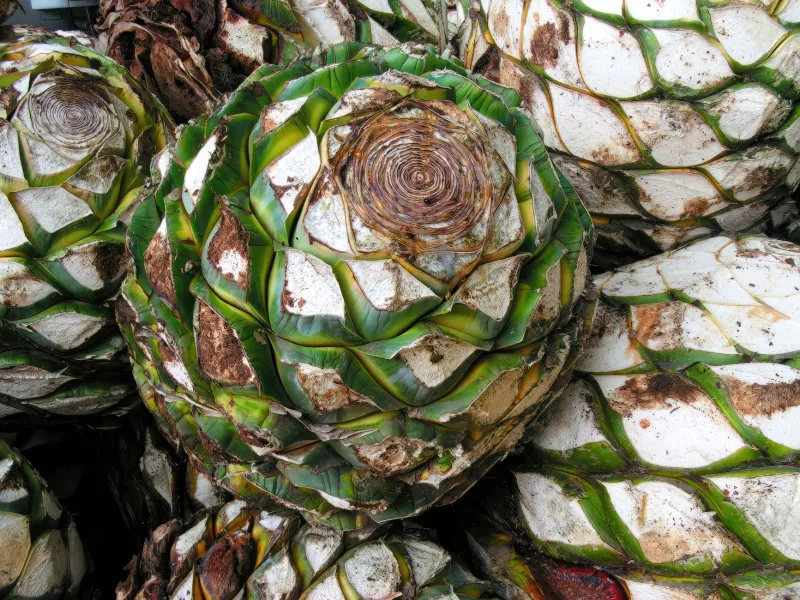
"Tequila is one of the most complex spirits on earth when it's made correctly," says James Calloway, a spirits educator based in Austin who leads tasting tours through Jalisco several times a year. "The agave plant takes seven to twelve years to mature. Seven to twelve years. A grain whiskey distillery can turn around a product in three years. The patience and craft involved in tequila production is remarkable, and most Americans have no idea."
Calloway points to the Denomination of Origin as a critical piece of the education puzzle. Like Champagne or Scotch whisky, tequila can only legally be called tequila if it's produced in specific Mexican states—primarily Jalisco. That geographic and regulatory framework represents exactly the kind of prestige infrastructure that American consumers already respect when it comes to French wine or Kentucky bourbon. They just haven't connected those dots with tequila yet.
Sitting at the Bar in Tequila, Mexico
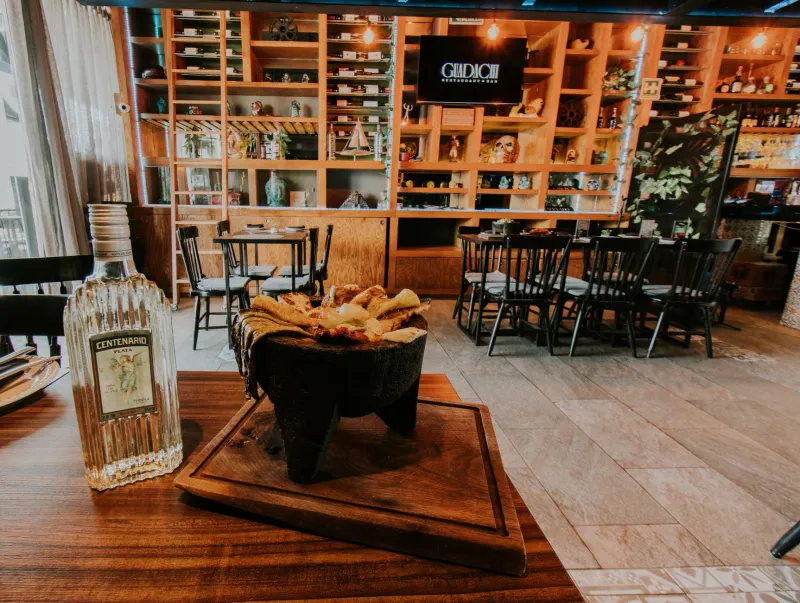
One of the most reliable cures for a century of bad information is actually showing up. When American visitors pull up a stool here in the town of Tequila and start working through a flight of properly made blancos, reposados, and añejos—tasted neat, without salt, without lime, without apology—the reaction is almost always the same.
Surprise. Then genuine pleasure. Then a slow, slightly sheepish realization that they've been drinking tequila wrong their entire adult lives.
"I had a couple from Ohio in here last spring," Elena recalls. "They ordered margaritas first, which is fine, I make a good margarita. But then I convinced them to try a neat pour of a highland blanco. The woman took one sip, put the glass down, and said, 'This tastes like a completely different drink.' Because it is. It's a completely different experience from what they thought tequila was."
That moment—that small recalibration—is what the serious side of Jalisco's tequila industry is working toward on a much larger scale. Through export programs, distillery tourism, partnerships with American restaurants and bars, and the slow accumulation of word-of-mouth from travelers who've made the trip, the narrative is changing.
Slowly. But it's changing.
The Long Road Back
Prohibition ended ninety years ago, but cultural myths have a stubborn half-life. The shot glass, the salt shaker, and the wedge of lime are still sitting on millions of American bar tops, waiting to perform their ritual of disguise.
But here in Jalisco, patience is something people understand. You spend a decade waiting for an agave plant to mature. You can spend a few more years waiting for the rest of America to catch up.
The spirit was always worth savoring. It just took a century of bad history to obscure that fact. Come sit with us for a while, and we'll help you find your way back.