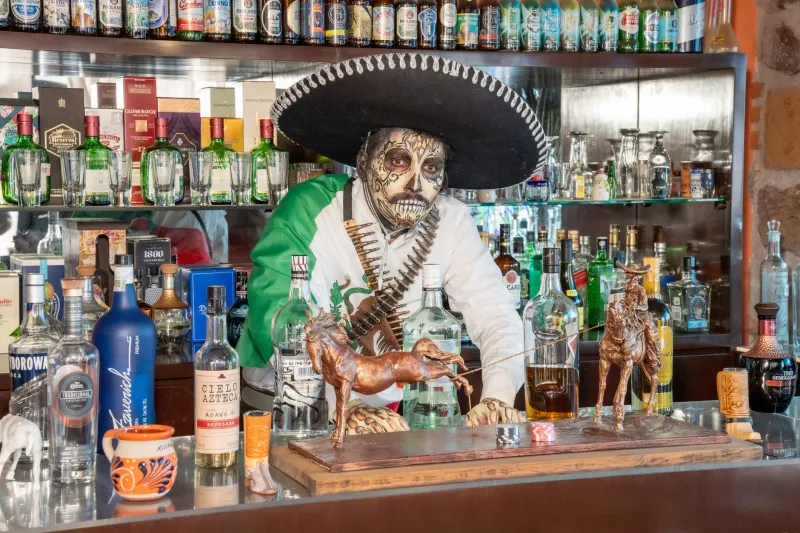
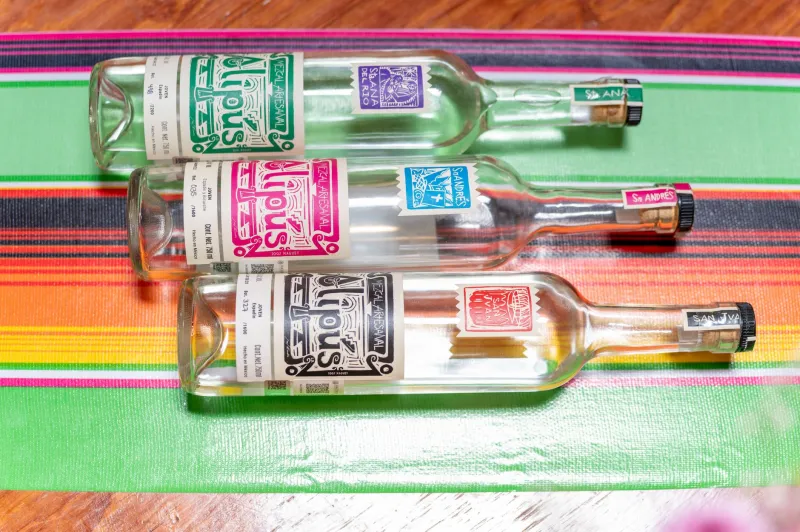
Ditch the Tour Bus: A Road-Tripper's Guide to the Jalisco That Doesn't Show Up on Google Maps
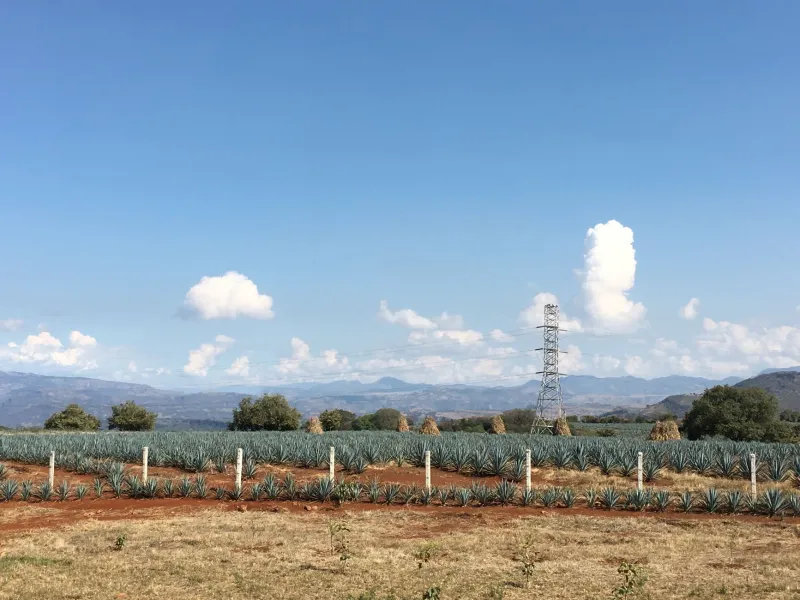
Let's be honest about what most tequila tourism looks like. You book a package through a big-name distillery. You ride out in an air-conditioned van. You watch a twenty-minute presentation about the production process, tour a facility that's been optimized for exactly this purpose, and buy a bottle at the gift shop. It's fine. It's comfortable. It tells you roughly what tequila is.
It does not tell you what tequila means.
For that, you need to leave the main road.
Why the Backroads Exist in the First Place
The official tequila tourism corridor—centered on the town of Tequila itself and stretching into the Los Altos highlands around Arandas and Atotonilco—is genuinely impressive. These are world-class facilities producing world-class spirits, and there's nothing wrong with visiting them.
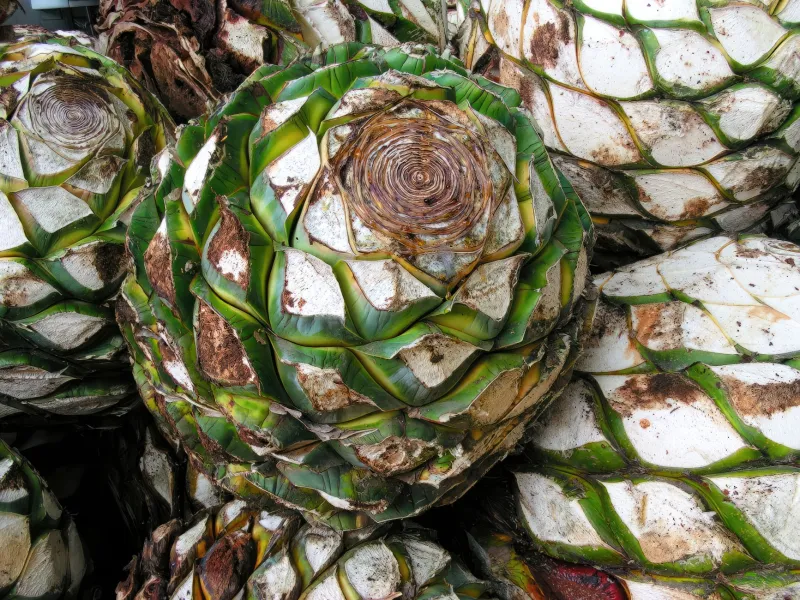
But Jalisco is vast, and the agave culture here runs far deeper than what's been packaged for visitors. Scattered across the state are dozens of smaller producers operating in ways that haven't changed much in generations. Family palenques where the agave is still cooked in earthen ovens. Roadside operations where the distiller is also the farmer, the bottler, and the guy who'll hand you a sample in a clay copita if you pull over and ask nicely.
These places don't have PR firms. They don't have English-language websites. Some of them don't have websites at all. They survive on reputation, on word of mouth, on the loyalty of local customers who've been buying from the same family for decades.
And they represent something that large-scale distillery tourism simply cannot replicate: the unmediated, unpackaged reality of how this spirit has been made and shared in Jalisco for centuries.
Before You Go: The Mindset That Makes the Difference
Visiting a small family producer is not the same as touring a commercial facility. A few things worth understanding before you head out:
You are a guest, not a customer. These operations aren't set up to handle tourist traffic. If someone invites you in, they're doing you a genuine favor. Reciprocate with respect, patience, and genuine curiosity. Ask questions. Listen to the answers. Don't rush.
Spanish goes a long way. Even a handful of phrases—¿Puedo ver la destilería? (Can I see the distillery?), ¿Cómo se llama este agave? (What's this agave called?), Muy rico (Very delicious)—signals that you're making an effort. It matters.
Buy something. Small producers survive on sales. If someone shares their time and their product with you, purchasing a bottle is the appropriate response. It's also usually a bargain for what you're getting.
Don't show up with a large group. A solo traveler or a couple is manageable. Eight people with camera equipment is overwhelming and potentially intrusive. Keep it small.
Where to Actually Look
We're not going to publish a list of specific addresses here—partly because these places change, and partly because part of the value is in the discovery. But here's how to find them.
Talk to people in Tequila town first. The market vendors, the cantina owners, the older locals who've been here their whole lives—these are your best sources. Ask about family producers in the surrounding municipios. Ask who makes the best raicilla (Jalisco's wilder, less-regulated agave spirit cousin). Ask where the serious drinkers go. You'll get real answers.
Head toward the Sierra Occidental. The mountainous western edge of Jalisco is raicilla country, and it's dramatically undervisited. The towns of Mascota, Talpa de Allende, and San Sebastián del Oeste all sit within reach of small-scale producers who've been making agave spirits in relative obscurity for generations. The drive alone is worth it.
Explore the Los Altos highlands beyond the main circuit. Everyone goes to Arandas. Far fewer people make it to the smaller villages nearby, where highland agave farming families sometimes produce small batches for local sale. Stop at roadside stands. Ask what's local.
Look for the hornos. The earthen ovens used to roast agave hearts leave a distinctive landscape mark—low mounds with scorched earth around them. If you see them near a property, that's a production operation. It doesn't guarantee a welcome, but it's a starting point for a conversation.
What You'll Actually Find
Expect the unexpected, and expect it to be better than you imagined.
At one small operation in the highlands, a fourth-generation agave farmer might pour you a blanco that's been resting in a glass carboy in his living room—something with a mineral brightness and a long finish that no commercial distillery produces, because no commercial distillery can afford the inefficiency of making it this way.
At a roadside palenque in the mountains, you might find a woman in her seventies who learned the distillation process from her father, who learned it from his father, and who has no interest in scaling up or getting a distributor. She makes what she makes. She sells to who she knows. If you show up respectfully and she decides she likes you, she might share a small pour of something extraordinary.
These experiences don't show up in any travel guide. They're not rated on TripAdvisor. They exist in a different category entirely—closer to being invited into someone's home than to visiting a tourist attraction.
Using Tequila Hermanos as Your Base Camp
This is where we come in. Part of what we do here—beyond the food and the carefully curated spirits list—is serve as a bridge between visitors who want to go deeper and the local knowledge that makes that possible.
Come in for dinner. Tell us what you're looking for. We know the region, we know the producers, and we know which doors are likely to open for a curious traveler who approaches things the right way. We can point you toward the backroads without sending you in blind.
We can also help you understand what you tasted after you come back. Because the other thing about small-producer spirits is that they can be confusing without context—a raicilla from the Sierra that tastes like nothing you've ever had before makes a lot more sense after someone explains the production method, the agave variety, and the century of tradition behind it.
The Real Soul of Jalisco
Tequila tourism is booming. Visitor numbers are up, new facilities are opening, and the international profile of the region has never been higher. That's largely a good thing—it brings resources and attention to a place and a culture that deserve both.
But the boom also creates a gravitational pull toward the polished, the accessible, the already-discovered. And the more visitors follow the same well-worn path, the more the backroads—and everything on them—quietly persist in a different world.
That world is still there. A little harder to find than it used to be, maybe. But still there.
The agave takes a decade to grow. The traditions took centuries to develop. They can survive a little inconvenience on your part to reach them.
Go find them. We'll be here when you get back.