Agave Outlaws: The Rare Jalisco Varieties You'll Never Find at Your Local Liquor Store
Walk into any well-stocked liquor store in the US and you'll find a respectable tequila wall. Blancos, reposados, añejos — maybe even a few extra-añejos if you're lucky. But here's the thing almost nobody tells you: what's sitting on those shelves represents maybe ten percent of what tequila actually can be. The other ninety percent? It's hiding in Jalisco, poured into small glasses at family-run distilleries that have no interest in shipping their most precious stuff across the border.
At Tequila Hermanos, we spend a lot of time around people who are genuinely obsessed with agave spirits. And the question that comes up more than almost any other, especially from American enthusiasts who've started going deeper down the rabbit hole, is this: What are we missing?
The honest answer is: quite a bit.
Blue Weber Isn't the Whole Story
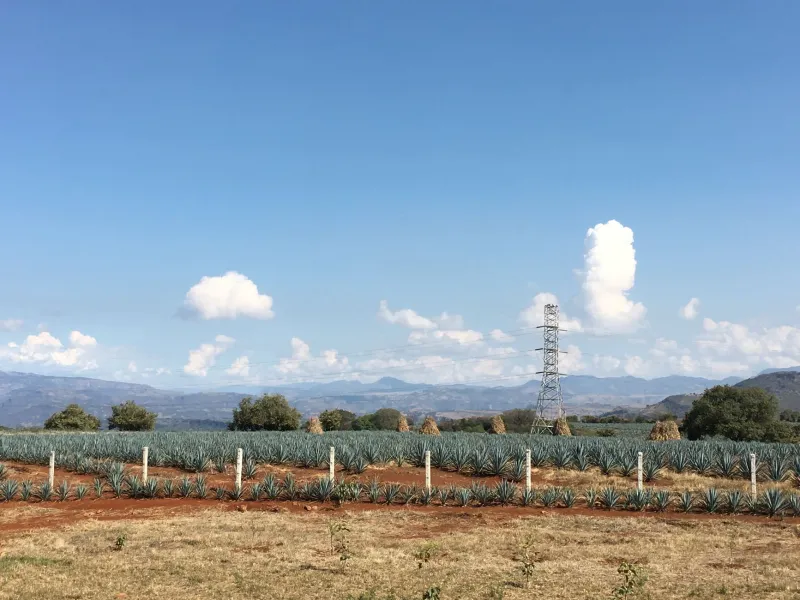
Most people know that tequila, by law, must be made from Blue Weber agave — Agave tequilana — grown in designated regions of Mexico, with Jalisco at the center of it all. That's the foundation. But what a lot of drinkers don't realize is that within the world of Blue Weber, there's enormous variation. Different clonal selections, different growing elevations, different soil compositions — these factors create flavor profiles that can diverge pretty dramatically even within the same legal category.
And then there are the producers who push right up against the edges of what's permitted, cultivating agave plants with distinct genetic histories, some of them ancient, some of them the result of careful cross-cultivation over generations. These aren't mezcal producers playing by different rules — they're tequila makers who've spent decades paying attention to what their land is actually capable of growing.
The Varieties Worth Knowing
A handful of agave cultivars have quietly become the holy grail for serious enthusiasts making the trip to Jalisco.
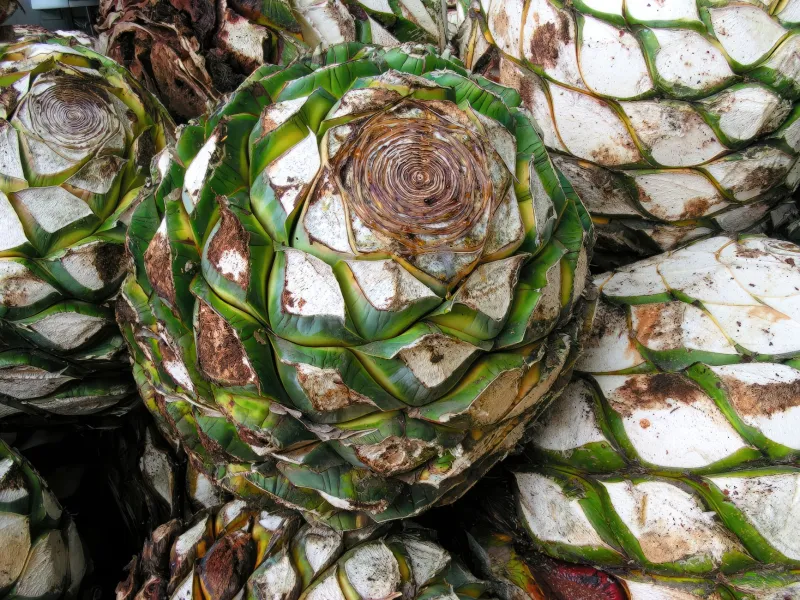
Agave tequilana var. Chato is one of the most talked-about among producers in the Los Altos highlands. Shorter and denser than the standard Blue Weber, Chato plants tend to concentrate their sugars differently, often yielding a spirit with a rounder, almost creamy mouthfeel and a subtle earthiness that you just don't get from conventionally farmed agave. Production is tiny — these plants are slower to mature, harder to harvest mechanically, and most of the families growing them aren't looking for outside buyers anyway.
Sigüín is another name you'll hear whispered at the right bars in and around the town of Tequila. It's a naturally occurring variant that some producers have been quietly maintaining for generations, treating it almost like a family heirloom. The resulting tequila tends toward herbal complexity — think fresh-cut grass layered with something almost floral, finishing with a savory mineral edge. It's unlike anything you'll encounter stateside.
There are also experimental hybrids that don't have widely recognized names yet — cultivars that individual distilleries are developing in-house, the results of patient cross-pollination experiments that might take a decade or more to evaluate properly. Some of these producers are essentially doing agricultural R&D with no guarantee of commercial payoff. They do it because they love it, and because they believe the land has more to say.
Why None of This Makes It to the US
The simple answer is volume. The American tequila market is enormous and hungry for consistency. Importers need reliable supply chains. Retailers need products that will sit on a shelf for months without becoming a liability. The economics of small-batch, single-cultivar tequila made from slow-growing agave variants just don't pencil out for most export models.
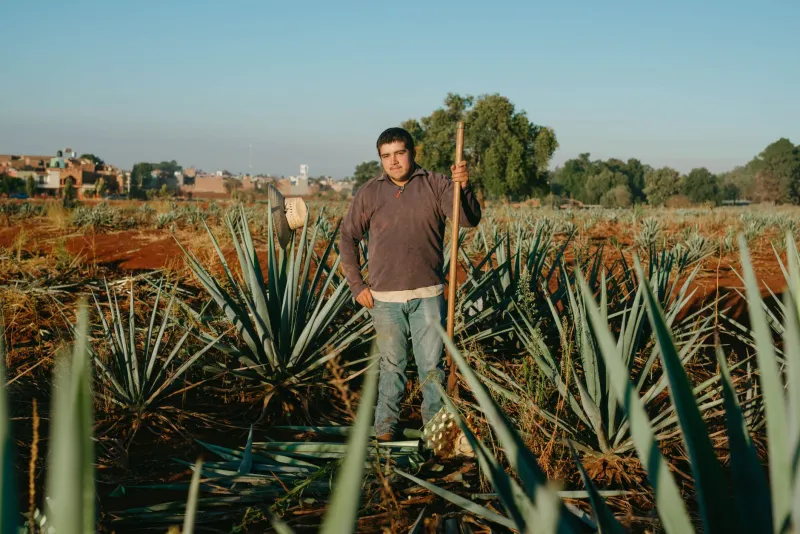
There's also an element of intentionality. Some producers we've talked to aren't interested in scaling. Full stop. They make what their land allows them to make, they sell it locally, and they sleep fine at night. For them, the idea of their most special batches sitting in a warehouse in New Jersey waiting for distribution is genuinely unappealing. It's not the life they signed up for.
And honestly? There's something kind of beautiful about that.
How to Actually Find These Bottles
If you're planning a trip to Jalisco — and if you're serious about tequila, you really should be — here's how to actually track down these expressions rather than just ending up on a tour bus at one of the big commercial distilleries.
Go to the smaller towns. The town of Tequila itself is the obvious starting point, but the real finds tend to be in the surrounding municipalities: Amatitán, Arenal, El Arenal. These are places where distilling is a way of life rather than a tourist attraction.
Ask at local restaurants and mezcalerías. This is genuinely the best intelligence network available to you. Bartenders and restaurant owners in the region know who's producing interesting stuff. A well-placed question over a meal can open doors that no amount of online research will find for you.
Visit during the off-season. The weeks just outside of major festival periods are when producers are more relaxed, more willing to have real conversations, and more likely to pull something unusual off the shelf for a curious visitor.
Be upfront about what you're looking for. Producers respond well to people who are genuinely curious rather than just collecting bragging rights. If you walk in with real questions and genuine respect for the craft, you'll be surprised how far that gets you.
At Tequila Hermanos, we sit right in the middle of this world — and we're always happy to point visitors in the right direction. The bottles worth hunting for don't advertise themselves. That's kind of the whole point.
The Bigger Picture
American tequila culture has come a long way. The days when tequila meant cheap shots and lime wedges are fading fast, replaced by a generation of drinkers who want to understand what they're tasting and why. That's genuinely exciting.
But there's still a gap between what most US consumers experience and what's actually out there. The rare agave expressions staying put in Jalisco aren't some conspiracy — they're just the natural result of a craft that's still deeply rooted in place, in family, and in land that doesn't scale.
The only way to close that gap is to show up. Come to Jalisco. Sit down. Ask questions. And taste the stuff that never makes the flight home.