Why Two Jalisco Tequilas Can Taste Nothing Alike: It All Starts With the Ground
The Bottle Doesn't Tell You Everything
Pick up two bottles of 100% agave tequila. Both say Jalisco on the label. Both look roughly the same sitting on the shelf. But pour them side by side and you might swear they came from different countries. One hits you with bright citrus and a clean pepper finish. The other is earthy, almost smoky, with a richness that lingers like a good memory.
That difference isn't a marketing trick or a distiller's secret recipe. It starts way before the jimadores ever swing a machete. It starts in the dirt.
At Tequila Hermanos, we sit right in the heart of the town of Tequila, and we see this play out every single day. The agave farmers who supply the distilleries we work with will tell you—sometimes without being asked—that their plants taste different depending on which hillside they grew on. That's not poetry. That's terroir.
What Terroir Even Means (And Why Wine People Already Get This)
If you're a wine drinker, you've probably heard the French word terroir thrown around. It's the idea that the specific environment where a grape grows—the soil composition, elevation, rainfall patterns, sun exposure—leaves a fingerprint on the final product. A Napa Cab doesn't taste like a Bordeaux, even if the winemaking technique is nearly identical, because the land is fundamentally different.
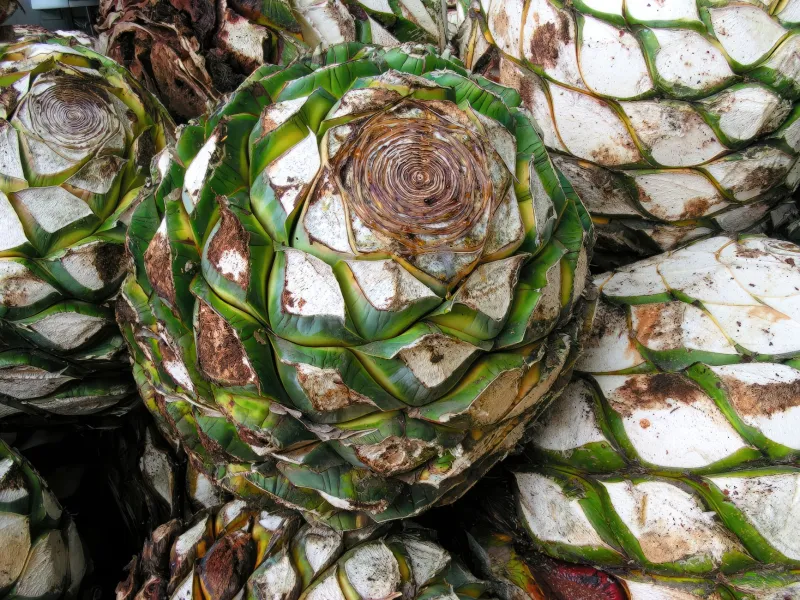
Tequila works exactly the same way, and honestly, it's been working that way for centuries. The agave plant—specifically Blue Weber agave, the only variety allowed in certified tequila production—is a slow-growing, stubborn thing. It spends anywhere from seven to twelve years in the ground before harvest. That's a long time to absorb everything the earth has to offer.
The Highlands vs. The Lowlands: Jalisco's Great Divide
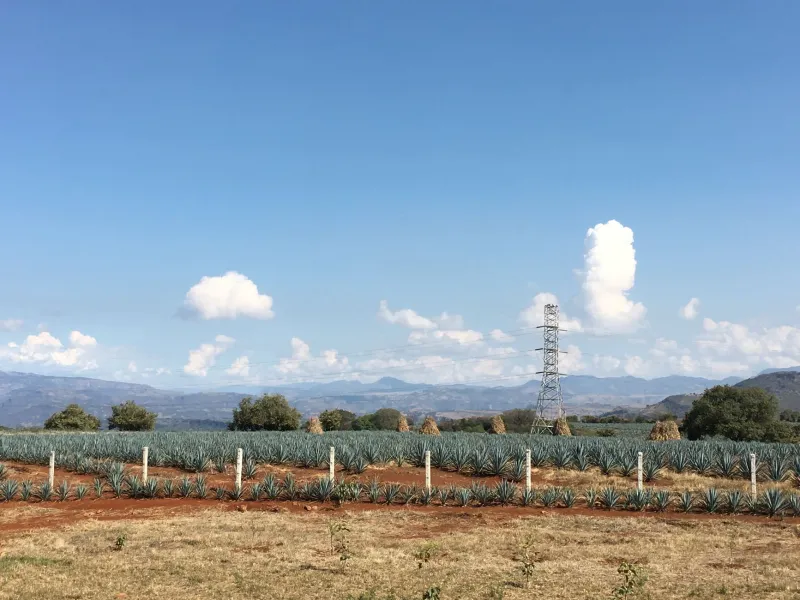
Jalisco isn't one landscape. It's a patchwork of microclimates and geological personalities, and the two most talked-about regions couldn't feel more different.
Los Altos, the highland region centered around towns like Arandas and Tepatitlán, sits at elevations between 6,500 and 8,000 feet above sea level. The soil here is red and iron-rich, almost rust-colored in the afternoon light. The days are warm, but nights drop sharply. That temperature swing stresses the agave in a productive way, slowing sugar development and pushing the plant to produce more complex compounds. Tequilas from Los Altos tend to be sweeter and fruitier—think floral notes, cooked pineapple, a gentle brightness that makes them approachable right out of the bottle.
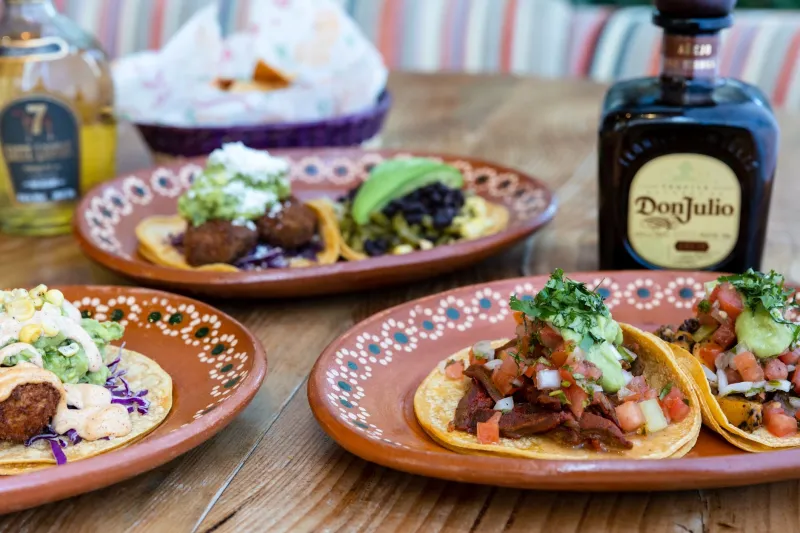
The Lowlands, clustered around the town of Tequila itself and the Tequila Volcano, tell a completely different story. The volcanic soil here is dark, mineral-heavy, and porous. Elevations hover around 3,500 to 5,000 feet. The climate is warmer and drier. Agave grown in this region tends to produce spirits that are earthier, more herbaceous—what old-timers call más bravo, more wild. You'll find notes of black pepper, roasted vegetables, and a dry, almost savory finish that pairs beautifully with the traditional Jalisco cooking we serve here.
Sitting Down With the People Who Know the Dirt Best
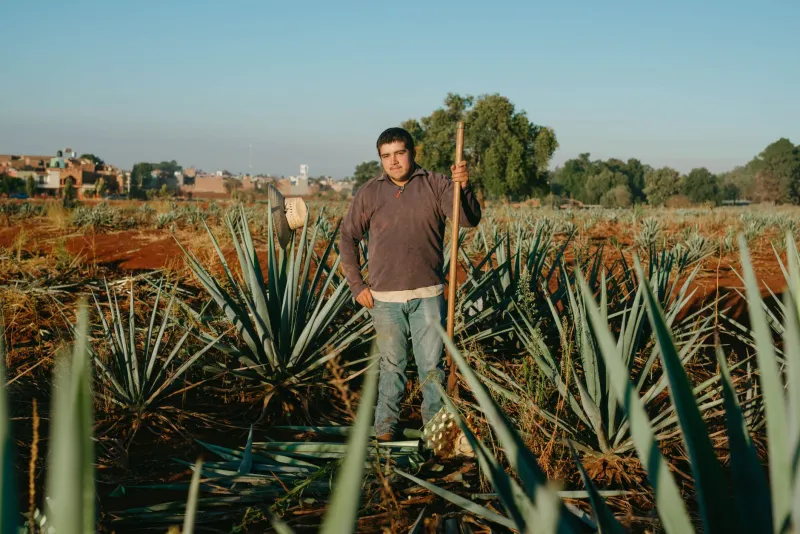
We recently spent a morning with Don Aurelio, a third-generation agave farmer whose family has worked fields on the slopes of the Tequila Volcano for decades. He walked us through rows of blue agave in various stages of growth, occasionally crouching down to grab a handful of soil and let it fall through his fingers.
"People come here and they want to know the secret," he told us, squinting against the sun. "There's no secret. The plant takes what the land gives. You can't fake that. You can't manufacture it somewhere else and call it the same thing."
He pointed to a neighboring plot, barely a quarter mile away, where the soil shifted from dark volcanic rock to a sandier, lighter composition. "That farmer's agave will taste different from mine. Different sugar content, different water retention. Same town, different tequila."
That granular level of variation is something even seasoned tequila drinkers in the US rarely think about. We're used to thinking of tequila by brand or price point, not by geography. But spend any time in Jalisco and you start to realize the land is the brand.
A distiller we know in Arandas, who asked us not to use her name but let us tour her facility, put it another way: "When Americans drink our tequila, I want them to taste the altitude. I want them to taste the red soil. That's what I'm trying to preserve with every batch."
The Volcano's Contribution
The Tequila Volcano—an extinct stratovolcano that gives this whole town its dramatic backdrop—deserves its own mention. The volcanic activity that shaped this region over millions of years left behind a mineral profile in the soil that is genuinely unique on the planet. Silica, iron, magnesium, and other trace minerals work their way into the agave root system over those long growing years.
Some distillers believe this mineral complexity is what gives lowland tequilas their distinctive savory, almost umami-like quality. It's subtle, but once you know to look for it, you can't unfind it. It's the reason a well-made blanco from the lowlands can hold its own against any spirit in the world when it comes to sheer complexity.
How to Taste Terroir for Yourself
You don't need to fly to Jalisco to start noticing these differences—though we'd obviously love it if you did. Next time you're shopping for tequila, look for bottles that specify the region of production, not just the state. Some labels will indicate Los Altos or Highland on the front. Others require a little digging on the distillery's website.
Buy one highland and one lowland expression from producers you haven't tried before. Pour them neat, side by side, and give them a few minutes to open up. Smell before you sip. Let the liquid sit on your palate for a moment before swallowing.
You'll start to notice the conversation the land is having with you.
What It Means When You're Here
At Tequila Hermanos, we've built our menu and our spirits list around this idea of place. The tequilas we pour aren't chosen randomly—they're chosen because they represent something specific about where they came from. When we pair a highland blanco with a ceviche, or serve a lowland reposado alongside a slow-braised birria, we're trying to create a complete picture of Jalisco on your table.
The food, the spirits, the people, the soil—it's all connected. That's what we mean when we say taste the soul of Jalisco. The soul isn't abstract. It's volcanic rock and red clay and a blue agave plant that spent a decade deciding what it wanted to be.
Come taste it for yourself.