Smoky, Complex, and Coming for Tequila's Crown: The Mezcal Wave Hitting American Bars
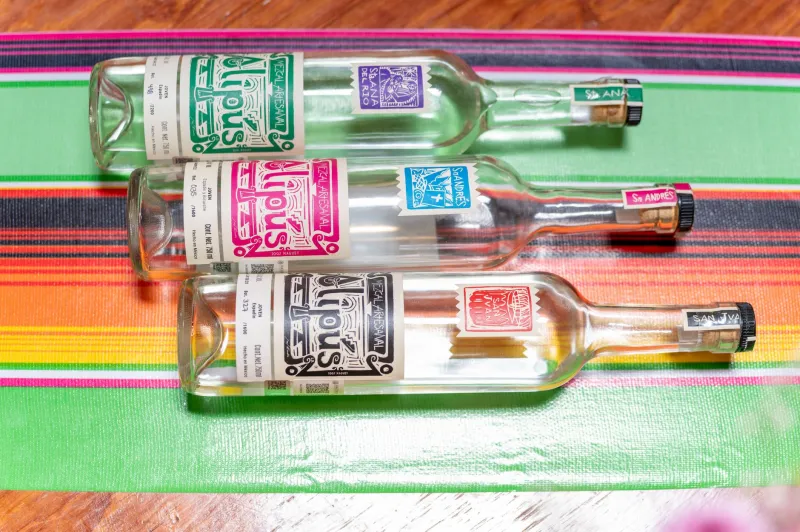
Walk into any craft cocktail bar in Austin, Brooklyn, or Portland right now and you'll notice something interesting on the back shelf. Tucked between the familiar blue agave bottles and the dusty whiskies, there's a growing row of mezcal — often with a worm on the label, sometimes without, but almost always with a story worth hearing. American drinkers are waking up to this spirit in a big way, and the numbers back it up. US mezcal imports have surged over the past five years, outpacing growth in nearly every other spirits category.
So what's driving the shift? And where does Jalisco — the heartland of tequila — fit into this mezcal moment?
First, Let's Get the Basics Straight
Here's the thing a lot of people get wrong: all tequila is technically mezcal, but not all mezcal is tequila. Both spirits come from agave plants, but that's roughly where the easy comparison ends.
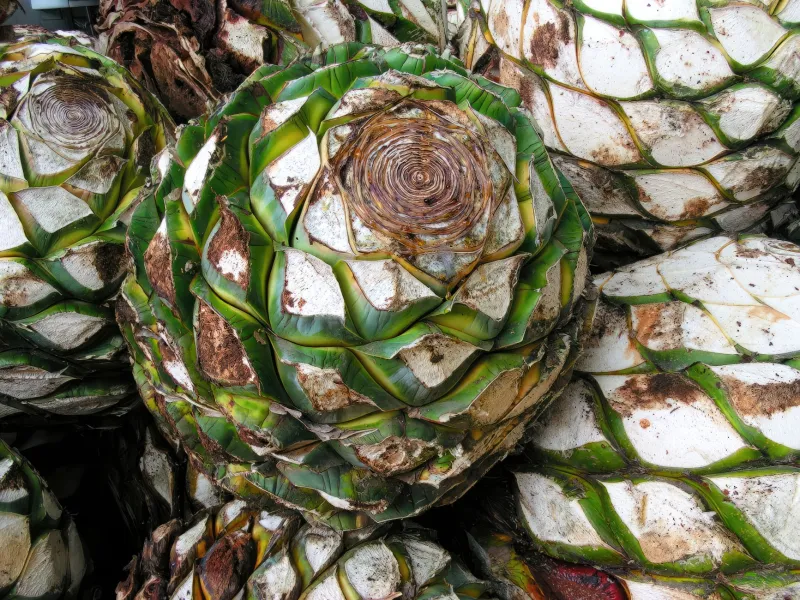
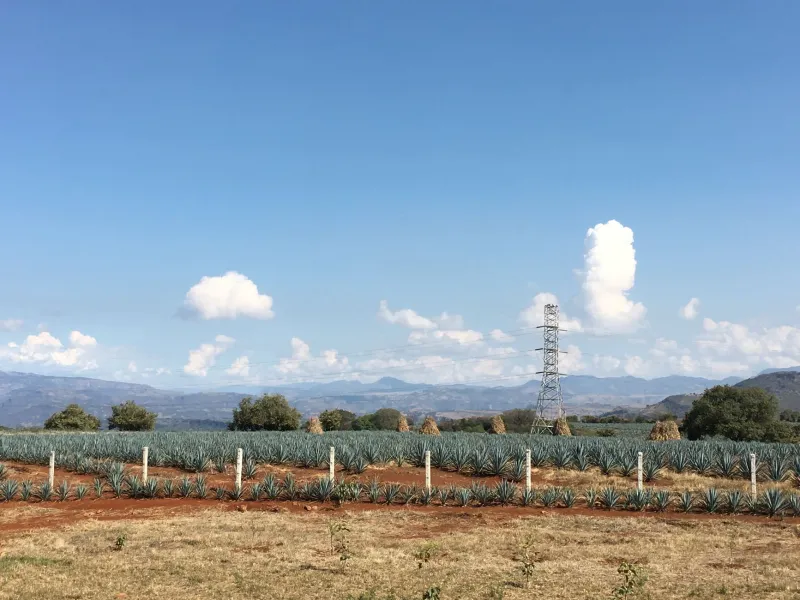
Tequila is made exclusively from blue Weber agave, grown primarily in Jalisco and a handful of other designated Mexican states. The production process is relatively standardized — agave hearts (called piñas) are steamed or baked in industrial ovens, then fermented and distilled. It's efficient, consistent, and has produced some genuinely world-class spirits.
Mezcal, on the other hand, is a broader category. It can be produced from dozens of agave varieties — espadin, tobalá, tepeztate, cuishe, and more — and it's made across multiple Mexican states including Oaxaca, Durango, and yes, Jalisco. The defining difference in production? Mezcal piñas are traditionally roasted in underground pit ovens lined with hot rocks and wood, which is what gives mezcal that signature smokiness everyone talks about.
That smoke isn't a flaw or an acquired taste quirk. It's a fingerprint. It tells you something about where the spirit came from and how the hands that made it chose to work.
Why American Drinkers Are Leaning In
The craft spirits boom changed a lot of things in the US market. Consumers who spent years exploring single-origin coffees, small-batch bourbons, and natural wines started applying that same curiosity to agave spirits. Tequila opened the door, but mezcal walked right through it.
There's also a flavor complexity argument that's hard to ignore. A well-made mezcal rewards you the way a good Scotch does — there are layers to work through. You might get smoke up front, then something earthy and mineral, then a long finish with hints of dried fruit or dark chocolate. That kind of depth is genuinely exciting for drinkers who feel like they've already mapped out what tequila can offer.
Social media hasn't hurt either. Mezcal's artisanal aesthetic — hand-thrown clay cups called copitas, rustic labels, the whole visual language of small-batch production — photographs beautifully. It tells a story in a way that a mass-market tequila bottle simply can't.
What Jalisco's Mezcal Producers Are Doing Differently
Oaxaca gets most of the mezcal press, and fairly so — it's the spiritual and commercial center of the category. But Jalisco has its own mezcal tradition that's been quietly operating in tequila's shadow for generations.
Jalisco mezcal producers tend to work with agave varieties that aren't widely cultivated elsewhere, including some regional wild species that give their spirits a genuinely distinct flavor profile. Where Oaxacan mezcals often lean into deep smoke and earthy funk, Jalisco expressions can be more floral and fruit-forward, with a cleaner finish that might actually appeal to tequila drinkers making the crossover.
Some producers in the region are also experimenting with fermentation vessels and aging techniques borrowed from the tequila world, creating hybrid approaches that feel both traditional and forward-thinking. It's not about chasing trends — it's about figuring out what Jalisco mezcal can be on its own terms.
When you sit down at Tequila Hermanos and ask about the mezcal selection, you'll hear this story told in real time. The bottles on our shelf aren't there for novelty. They're there because they represent something specific about this land and the people working it.
How to Actually Drink Mezcal (and What to Expect)
If you're coming to mezcal from a tequila background, a few things are worth knowing before your first sip.
Drink it neat, at room temperature, in a wide-mouthed copita if you can find one. The shape of the vessel matters — it opens up the aromas in a way that a standard rocks glass doesn't. Take your time with it. Mezcal isn't a shot spirit, no matter what the bar's happy hour menu suggests.
The smoke you'll encounter varies wildly by producer and agave variety. Some mezcals are aggressively smoky, almost like drinking a campfire in the best possible way. Others are more restrained, with smoke playing a supporting role to the agave's natural sweetness. Neither is better — they're just different conversations.
Food pairing also works differently with mezcal than with tequila. The smokiness makes it a natural match for grilled and charred preparations — think carne asada, roasted peppers, or anything with a good char on it. It also holds up beautifully against rich, fatty dishes in a way that lighter tequilas sometimes don't.
The Bigger Picture
The mezcal surge isn't a threat to tequila — it's an expansion of the whole agave spirits conversation. For producers in Jalisco, it's actually an opportunity. The region's reputation for quality and craft, built over generations of tequila production, gives its mezcal makers a credibility boost that newer producing regions don't automatically have.
And for American drinkers who've been loyal to their favorite tequila labels for years, mezcal offers a way to go deeper into the same cultural and agricultural tradition they already love. It's not switching teams. It's exploring a bigger stadium.
Next time you're in Tequila and you find yourself eyeing the mezcal section of a menu, take the leap. Ask your bartender about where it came from, what agave was used, how long it aged. That conversation is half the experience — and it's one that'll change how you think about everything in the glass from that point forward.