When the Distillery Becomes the Dining Room: Jalisco's Agave-to-Table Revolution
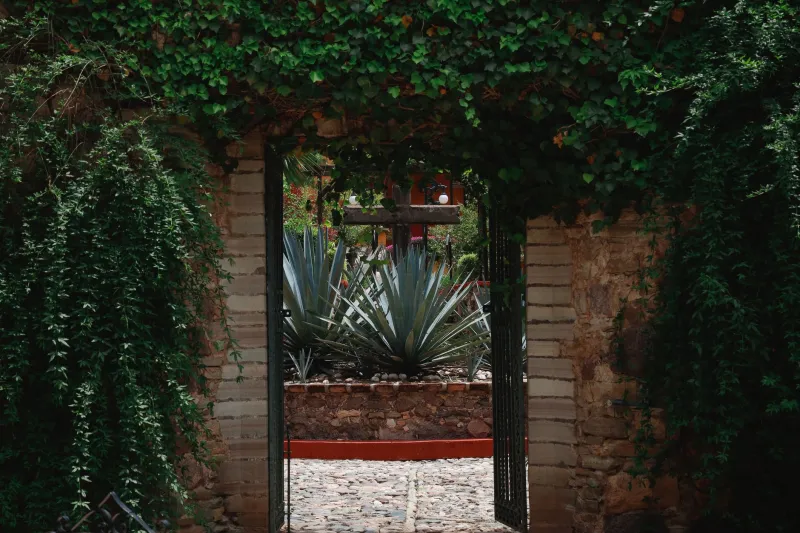
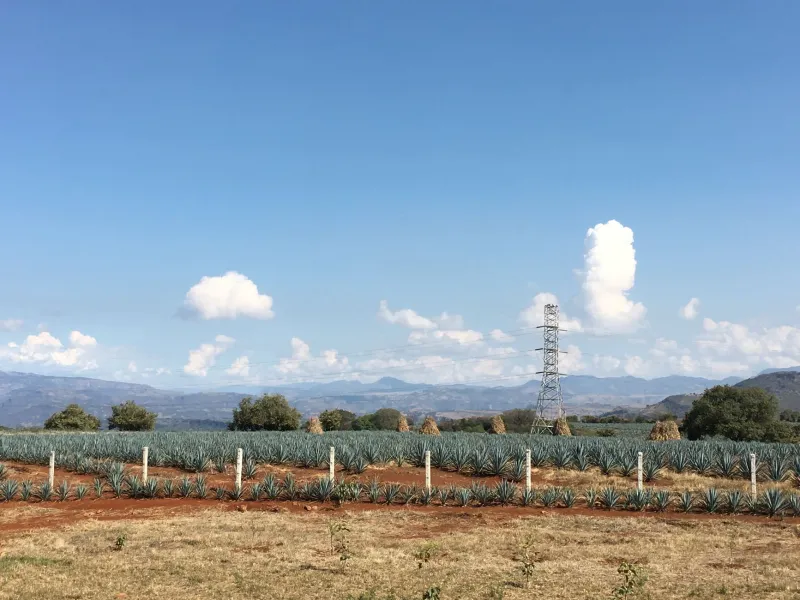
There's a moment, somewhere between the second course and the third pour, when it stops feeling like a meal and starts feeling like a lesson. You're sitting inside a centuries-old hacienda in the highlands of Jalisco, the blue agave fields rolling out beyond the open windows, and a chef is explaining why the salsa verde on your plate was made with tequila blanco instead of lime juice. The acidity is different, she says. More complex. More alive.
This is the agave-to-table movement, and it's quietly reshaping how serious food and spirits lovers experience tequila — not just in Mexico, but increasingly in the conversations happening at upscale bars and restaurants across the United States.
More Than a Tasting Room
For years, distillery visits in Jalisco followed a familiar script: a tour of the production floor, a look at the copper pot stills, maybe a quick flight of expressions before you headed back to the tour bus. Hospitality was an afterthought. The product was the point.
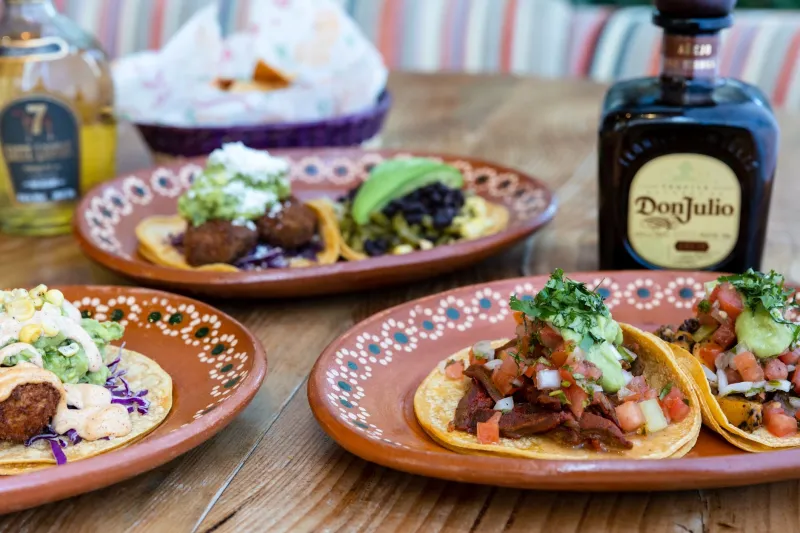
That's changing fast. A growing number of Jalisco producers — particularly in the highlands around Arandas and the lowlands near the town of Tequila itself — have started investing seriously in on-site culinary programs. And we're not talking about chips and guacamole in a gift shop. We're talking about dedicated kitchen spaces, rotating menus designed by trained chefs, and dining experiences that treat the distillery's spirits the way a winery might treat its vintages: as the organizing principle behind everything on the plate.
The philosophy driving it is simple but powerful. If terroir shapes the flavor of what's in your glass, why shouldn't the same land and the same plant shape what's on your fork?
Agave in Every Course
Walk into one of these distillery kitchens and you'll find chefs working with agave in ways that go well beyond the obvious. Yes, agave nectar shows up in sauces and marinades. But the more interesting applications run deeper.
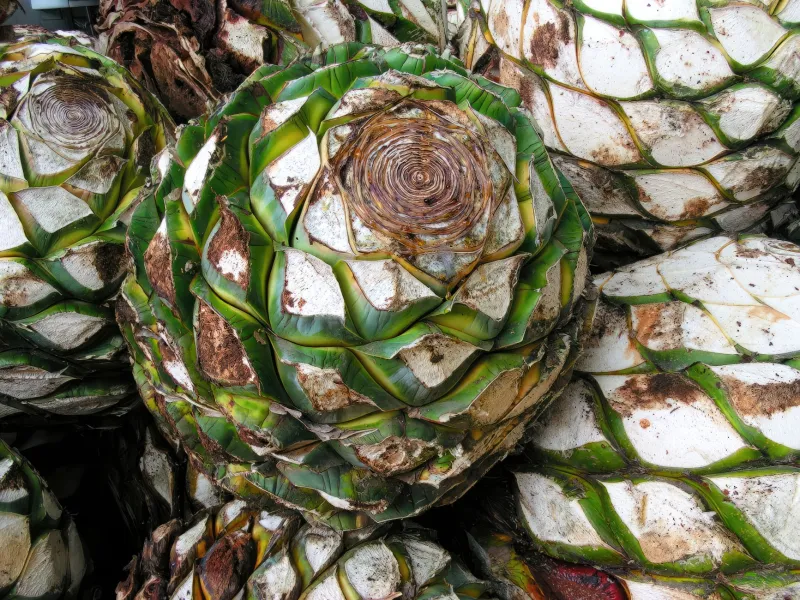
Take the use of roasted agave hearts — the piñas that are the raw material for tequila production — as a cooking ingredient in their own right. When a piña comes out of the brick oven after roasting, it's sweet, smoky, and fibrous, somewhere between a roasted sweet potato and sugarcane. Chefs at several distilleries have started incorporating the roasted flesh into tamales, stews, and even dessert preparations, creating dishes that are quite literally made from the same material as the tequila sitting beside them.
Then there's the wood. Tequila aging happens in barrels — often American oak previously used for bourbon — and those barrels eventually get retired. Some distillery chefs have started using staves from spent barrels as smoking wood, infusing proteins and vegetables with a flavor that carries faint echoes of the spirits that aged inside them. It's a kind of circular storytelling: the barrel that shaped the tequila now shapes the food that gets paired with it.
Agave spirits also show up as a cooking liquid in ways that genuinely surprise first-time diners. A blanco tequila, with its bright, peppery, herbaceous character, can substitute for white wine in reductions and braises, adding complexity without the grape-forward sweetness. Reposado expressions, with their soft vanilla and caramel notes from barrel rest, lend themselves to glazes and dessert sauces. One chef we spoke with described using añejo tequila in a dark mole as a kind of flavor bridge between the dried chiles and the Mexican chocolate — a use that would have seemed eccentric ten years ago and now feels almost inevitable.
Why American Drinkers Should Pay Attention
Here in the US, tequila has spent the last decade climbing out of a reputation hole dug by bad college memories and cheap mixers. Premium and ultra-premium expressions have done a lot of the heavy lifting, convincing American drinkers to slow down and actually taste what's in the glass. But there's a ceiling to how much a bottle can communicate on its own.
The distillery dining experience breaks through that ceiling by putting tequila in context — agricultural context, cultural context, culinary context. When you taste a highland blanco alongside a ceviche where the citrus acid has been partially replaced by the same spirit, you start to understand the flavor in a way that no tasting note can fully capture. The food becomes a kind of translation.
American chefs and restaurateurs are starting to notice. A handful of forward-thinking spots in cities like Chicago, Los Angeles, and New York have begun experimenting with agave-forward tasting menus, often in collaboration with specific Jalisco producers. These aren't gimmick dinners. They're serious culinary exercises that draw directly on what's happening in those distillery kitchens south of the border.
The Producers Leading the Way
The distilleries most invested in this movement tend to share a few characteristics. They're usually family-owned operations with a multi-generational connection to the land. They're making tequila that they're proud to put at the center of a conversation rather than just a cocktail. And they're run by people who understand that hospitality and production aren't separate businesses — they're two expressions of the same identity.
Several producers in the highlands have built dedicated event spaces adjacent to their fermentation and distillation areas, specifically designed to host intimate dinners for small groups of visitors. Some of these are offered as part of premium tour packages. Others are invitation-only affairs tied to harvest season or the release of a limited expression. Either way, demand is outpacing availability, which tells you something about where this is headed.
At Tequila Hermanos, we've been watching this trend develop with the kind of attention it deserves. The town of Tequila sits at the geographic and cultural heart of all of this — it's where the agave fields meet the cobblestone streets, where the production heritage is oldest, and where the conversation between food and spirits feels most natural. When you're here, eating food cooked with the same agave that goes into your glass, the whole thing clicks into place in a way that's hard to explain and impossible to forget.
The Takeaway
Agave-to-table dining isn't a marketing concept. It's a genuine culinary movement rooted in the same values that make great tequila worth drinking slowly: respect for the plant, respect for the land, and a willingness to let complexity speak for itself.
If you're planning a trip to Jalisco — and if you're reading this, you probably should be — make space in your itinerary for one of these experiences. And if you can't make the trip right now, pay attention to what's happening at the more adventurous restaurants in your city. The flavors of that distillery kitchen are starting to travel north, one course at a time.